
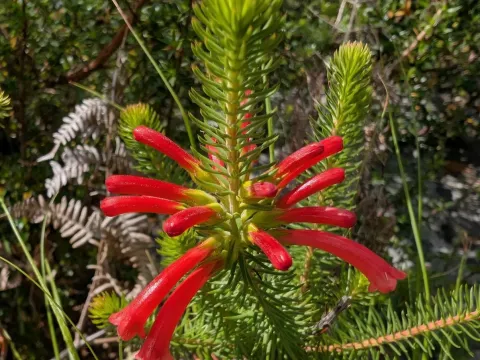
Erica abietina
Erica abietina
Erica abietina is a distinguished member of the Ericaceae family, native to the mountainous regions of South Africa. It is an evergreen shrub known for its dense habit and needle-like leaves, which strongly resemble those of a fir tree, giving the plant its specific name.
What the section contains
Erica abietina
The plant features striking tubular flowers that bloom in shades of pink, red, or deep orange, depending on the specific growing conditions. Botanically, it is classified as a low-maintenance shrub if the environmental parameters are strictly met during its lifecycle.
The primary requirement for successful growth is the soil composition. Erica abietina thrives exclusively in acidic, well-draining media. Gardeners are advised to use peat-based mixtures or special ericaceous compost to ensure the necessary pH balance for root development.
Climatic preferences are centered around moderate temperatures and high atmospheric humidity. It does not tolerate frost or extreme heat, making it a perfect candidate for cool-climate conservatories or sheltered greenhouse environments where conditions can be monitored closely.
Economically, this species is utilized mainly in the luxury ornamental horticulture market. It serves as a key element in heather gardens and displays, offering a unique architectural look and providing continuous seasonal color when provided with proper light and airflow.
Root rot is the most significant threat to Erica abietina. This condition is primarily caused by poor drainage and excessive watering, which allows fungal pathogens to thrive in the root zone and damage the plant's vascular system permanently.
Common pests include spider mites, which are particularly active in warm, dry environments. These pests congregate on the underside of the needle-like leaves, causing discoloration and eventual drop if not treated with appropriate systemic acaricides.
Mealybugs can also infest the stems, creating white cottony masses that weaken the plant's growth vigor. Regular monitoring and physical removal, followed by an application of insecticidal soap, are effective management practices for minor outbreaks.
To prevent disease outbreaks, it is crucial to maintain good air circulation around the canopy. Avoiding overhead irrigation helps keep the foliage dry, reducing the risk of fungal infections that often develop in stagnated microclimates.
An integrated pest management approach, emphasizing clean tools and sterilized substrate during repotting, is highly recommended to keep the plant resilient throughout its maturation process.