
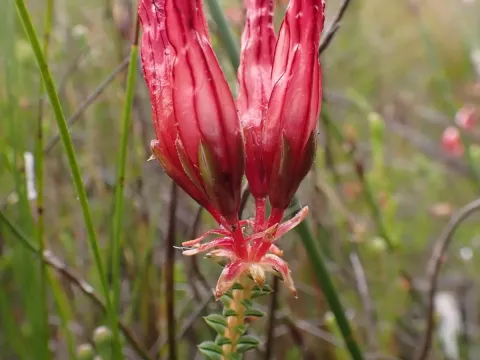
Erica aristata
Erica aristata
Erica aristata is a distinguished member of the Ericaceae family, native to the mountainous regions of the Cape Floristic Region in South Africa. It is a perennial evergreen shrub known for its unique aesthetic appeal and specific biological requirements.
What the section contains
Erica aristata
Botanically, the plant features needle-like foliage and characteristic tubular flowers that bloom in clusters. Its compact habit makes it a desirable species for specialized rock gardens and greenhouse cultivation where environmental parameters can be precisely controlled.
Successful cultivation of Erica aristata relies heavily on soil chemistry. The plant thrives exclusively in acidic, well-draining substrates rich in organic matter. A mixture of peat moss and coarse sand is generally considered optimal to ensure root health and adequate aeration.
In terms of climate, the species prefers cool to moderate temperatures and high atmospheric humidity. Extreme heat or prolonged drought can cause rapid deterioration of the plant, necessitating careful placement in regions with mild summers or the use of protected environment systems.
Proper agronomic management involves avoiding water stagnation at all costs, as the fine root system is highly susceptible to decay. Adequate light is also crucial; while the plant requires bright light for optimal flowering, intense direct midday sun should be avoided to prevent foliar damage.
The primary pathological threats to Erica aristata include root rot and Phytophthora, often exacerbated by over-irrigation or inadequate substrate drainage. These infections can be lethal if not detected in the early stages of development.
Pest pressure is frequently linked to environmental stressors. Common pests include spider mites and scale insects, which tend to infest plants kept in stagnant air or low humidity conditions, leading to stunted growth and yellowing of the foliage.
Fungal issues such as powdery mildew may occur when humidity is high and air circulation is insufficient. Ensuring good spacing between plants and maintaining a clean growing environment are essential preventative measures to keep the shrub in a vigorous state.
Physiological disorders such as leaf chlorosis frequently occur if the water quality is poor or if the irrigation water is alkaline. Using acidified water or rain water is highly recommended to maintain the low pH levels required for efficient nutrient absorption by the roots.
Long-term plant health requires constant vigilance regarding watering practices and environmental monitoring. By mimicking the plant's native habitat conditions, growers can mitigate most potential threats and ensure a long and productive lifespan for the culture.