
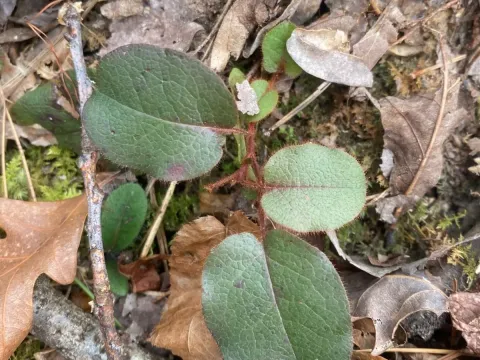
Epigaea
Epigaea
Epigaea is a genus of low-growing, evergreen subshrubs belonging to the family Ericaceae. These plants are scientifically recognized for their trailing habit and are widely admired for their early spring flowers, which are often highly fragrant.
What the section contains


Epigaea
The native distribution of Epigaea includes regions of North America and parts of Asia, where they are typically found in shaded, acidic forest environments. Their natural habitat is characterized by well-drained, humus-rich soil and a stable forest microclimate.
Cultivating Epigaea requires strict adherence to soil pH levels. They thrive in acidic conditions, typically ranging from pH 4.5 to 5.5. Gardeners must provide a specialized substrate that simulates the organic-rich layer found on forest floors to ensure healthy root development.
Water management is critical for the success of this culture. The soil must remain consistently moist, yet never waterlogged. Efficient drainage is vital, as stagnant water is a primary cause of mortality in these plants during the dormant season.
Shade management is the final pillar of successful cultivation. In most landscapes, providing filtered light or partial shade is necessary to prevent sunscald on the leather-like leaves. Utilizing pine needles as mulch provides an ideal environment for moisture retention and acidity maintenance.
The primary threats to Epigaea include root rot and other fungal pathogens that exploit high humidity and poor soil structure. These infections are often difficult to reverse once symptoms manifest on the foliage, making preventative care essential.
Pests such as spider mites can infest the foliage, particularly in environments with low humidity. Monitoring the underside of the leaves is a recommended practice to detect the early presence of these pests before they inflict significant damage.
Leaf spots caused by various fungi can occur during periods of prolonged wet weather. To mitigate this, it is important to ensure adequate spacing between plants to promote proper airflow and rapid drying of the foliage after rain or irrigation.
Weed competition is a significant concern for Epigaea, as the plants have shallow root systems and do not compete well with aggressive vegetation. Manual weeding is preferred over chemical interventions, as the plants are sensitive to many herbicides.
Proper environmental management is the best defense against threats. By keeping the root zone cool and ensuring that water does not pool around the base of the plant, gardeners can sustain healthy growth and longevity in these delicate ornamental specimens.