
Enkianthus
Enkianthus Lour.
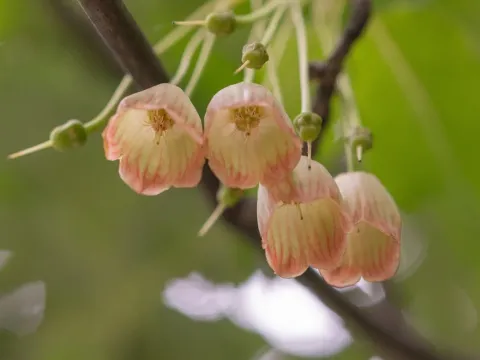
Enkianthus is a genus of deciduous shrubs belonging to the Ericaceae family. Native primarily to the mountainous regions of East Asia, including Japan and China, these plants are highly valued for their stunning bell-shaped flowers and vibrant autumn foliage.
What the section contains


Enkianthus
As members of the Ericaceae family, they demand acidic soil conditions to thrive. A well-draining, organic-rich soil medium is essential, as the plant cannot tolerate waterlogged conditions which quickly lead to root rot.
These shrubs perform best in locations with partial shade. While they can tolerate filtered light, protection from harsh, direct afternoon sun is necessary to prevent leaf scorch and preserve the deep color of their foliage.
Maintaining high ambient humidity is crucial for the health of Enkianthus. In dry climates or during prolonged heatwaves, it is necessary to apply regular watering and ensure the soil remains consistently moist but not saturated.
Cold hardiness varies by species, but a layer of organic mulch, such as pine needles or peat moss, is highly recommended. This practice helps maintain soil acidity, retains essential moisture, and provides insulation for the roots during winter.
Enkianthus is generally considered a low-maintenance plant, though it remains susceptible to specific issues when grown in suboptimal environmental conditions.
The most common pests affecting this shrub are spider mites, especially during hot and dry summer months. Regular inspection of the foliage is necessary to detect early infestations before they cause significant damage.
Fungal diseases, such as leaf spot or root rot, often occur due to poor drainage or excessive overhead moisture. Ensuring proper air circulation around the canopy is a primary preventative measure.
To mitigate disease risks, avoid heavy pruning during humid periods and remove any dead or infected branches immediately to prevent the spread of pathogens throughout the shrub.
If chemical intervention is necessary, apply appropriate fungicides or miticides according to the severity of the infestation, always ensuring the product is safe for use on acid-loving ornamental shrubs.