
Epacris
Epacris
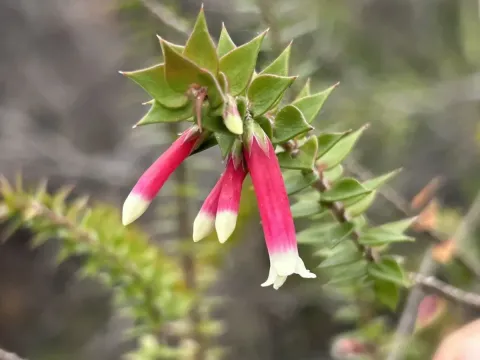
Epacris is a genus of flowering shrubs belonging to the Ericaceae family, commonly referred to as Australian heaths. These plants are native to Australia, New Zealand, and New Caledonia, thriving in diverse environments ranging from coastal heaths to mountainous regions.
What the section contains

Epacris
The cultivation of Epacris requires acidic, well-draining soil with a high content of organic matter. The ideal pH for the growing medium ranges between 4.5 and 5.5, which is essential for the healthy development of their fine, fibrous root systems.
Climate control is paramount for this crop, as it prefers cool, temperate conditions with high humidity levels. In commercial settings, Epacris is often grown in greenhouses where temperature fluctuations can be minimized to prevent plant stress.
Irrigation practices must prioritize the use of lime-free water. The plants are extremely sensitive to alkaline conditions, which can lead to chlorosis and stunted growth if mineral-rich or hard water is used for watering.
Regarding light, Epacris performs best under bright, indirect light conditions. Full sun exposure should be avoided during peak intensity hours to prevent leaf scorching and desiccation of the delicate foliage.
The most common disease threat for Epacris is Phytophthora root rot, which is highly prevalent in poorly drained, waterlogged substrates. Proper drainage management is the most effective preventative measure.
Pests such as spider mites and mealybugs frequently attack the plants, especially in glasshouse environments where air circulation is restricted and temperatures remain consistently warm.
Integrated pest management strategies involve regular monitoring and the application of horticultural oils or systemic insecticides to keep populations of sucking insects under control.
Maintaining proper hygiene by removing dead plant material and sanitizing pots between planting cycles is crucial to preventing the buildup of soil-borne pathogens and insect infestations.
Regular inspection of the root zone and foliage is necessary to detect signs of stress early, allowing for timely intervention before the plant's health significantly declines.