
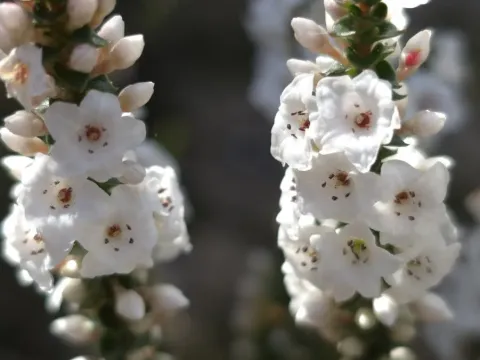
Epacris microphylla
Epacris microphylla
Epacris microphylla is a hardy evergreen shrub belonging to the Ericaceae family. Native to Australia, it is found in diverse habitats ranging from coastal heaths to mountainous regions, demonstrating remarkable resilience in poor environmental conditions.
What the section contains
Epacris microphylla
This species requires highly specific soil conditions to thrive. It necessitates acidic, well-draining soil with very low nutrient levels, as the plant has evolved in phosphorus-deficient environments and is sensitive to heavy fertilization.
The plant thrives in temperate climates with high ambient humidity. It is best suited for cultivation in regions that do not experience harsh, drying winds or extreme prolonged heat, which can lead to rapid moisture loss in the foliage.
Cultivation practices involve creating a specialized growing medium, often a mix of sand and peat, to ensure acidic pH and excellent drainage. Mulching with organic material, such as pine needles, is recommended to keep the root zone cool and moisture-stable.
Horticulturally, Epacris microphylla is valued for its delicate, bell-shaped flowers that appear in clusters. It is an excellent specimen for rock gardens, native garden borders, or as a container plant in conservatory conditions where precise climate control is achievable.
The primary concern for growers is root rot, typically caused by waterlogged soil conditions and Phytophthora infections. Once root decay begins, the plant is difficult to save; prevention through proper irrigation management is critical.
Insect pests, including scale insects and mites, can occasionally affect the plant in greenhouse environments. Cultural management, including adequate spacing and proper airflow, is the first line of defense against these biological threats.