
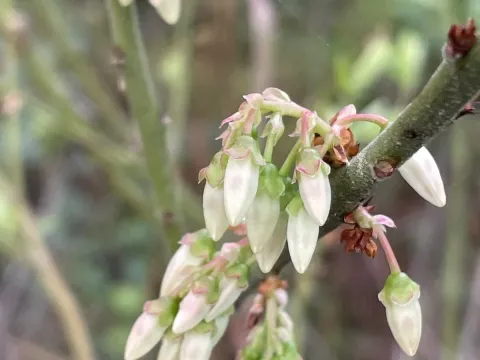
Vaccinium atrococcum
Vaccinium atrococcum
Vaccinium atrococcum, a member of the Ericaceae family, is a distinct species often valued for its resilience and nutritional properties. Its native habitat comprises acidic forest soils in North America.
What the section contains
Vaccinium atrococcum
The primary requirement for successful cultivation is maintaining a low soil pH, typically between 4.0 and 5.2. Without strict adherence to these acidity levels, nutrient uptake becomes severely limited.
Well-drained, sandy loam soils rich in organic matter are essential. The crop is highly sensitive to waterlogging, necessitating the installation of proper drainage systems in the field.
Adequate sunlight is required for fruit development, though moderate shade may be beneficial in regions with extremely high summer temperatures to prevent plant stress.
Regular monitoring of irrigation is crucial, as the root system is shallow and prone to damage during periods of prolonged drought or soil saturation.
Fungal pathogens such as mummy berry and Botrytis are the most common threats to Vaccinium atrococcum, especially in areas with poor ventilation and high humidity.
Root rot caused by Phytophthora species represents a significant risk if the soil moisture is not managed correctly. Preventative fungicidal treatments are often required.
Pests like the blueberry maggot and various mites can cause extensive damage to both leaves and fruits if left untreated during the early stages of development.
Effective pest management relies on monitoring systems and the timely application of approved insecticides to ensure the protection of the ripening fruit.
Implementing strict sanitation practices, including the removal of dead leaves and infected plant material, helps reduce the pressure of primary disease inoculums.
The harvest season for Vaccinium atrococcum occurs when berries reach their peak maturity, characterized by a deep, dark color and optimal sugar content.
Manual picking is the preferred method of harvest to ensure the delicate berries are not bruised, thereby maintaining their quality and storage shelf life.
Proper post-harvest cooling is mandatory; immediate reduction of field heat to near freezing temperatures significantly slows down the physiological processes of decay.
The fruits are highly versatile and are mainly utilized in the culinary industry for fresh market sales, frozen exports, and the production of healthy supplements.
Management of the plantation should involve routine pruning to promote airflow and light penetration, which directly improves both fruit size and harvest efficiency.