
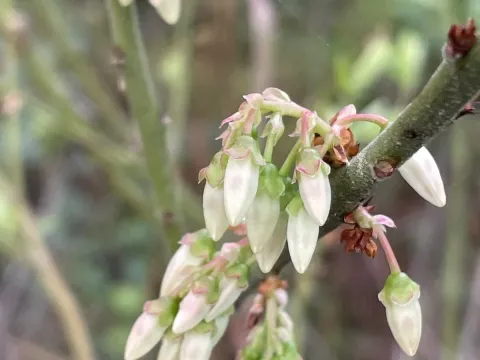
Vaccinium ashei
Vaccinium ashei
Vaccinium ashei, commonly known as the rabbiteye blueberry, is a robust species within the Ericaceae family. It is distinguished by its vigorous growth habit, forming large, upright shrubs that can become quite tall under optimal conditions.
What the section contains
Vaccinium ashei
Native to the southeastern United States, this species is well-adapted to warm climates. Unlike highbush varieties, it exhibits superior heat tolerance and performs exceptionally well in regions with long, hot growing seasons.
The crop requires highly acidic soil with a pH range of 4.5 to 5.5 to thrive. It is essential to ensure that the planting site has excellent drainage, as the shallow, fibrous root system of the plant is highly susceptible to rot in waterlogged conditions.
Adequate moisture management is a cornerstone of its cultivation. While it is more drought-tolerant than other blueberry species, consistent irrigation is necessary to ensure berry size and quality, particularly during fruit expansion.
Cultural practices include the application of organic mulch, such as pine bark or sawdust, to regulate soil temperature and maintain acidity. Regular pruning is also required to manage the shrub's size and encourage the growth of young, productive fruiting wood.
This crop is highly productive, with established plants capable of yielding significant quantities of fruit annually. The berries are known for their distinctively crisp texture and high sugar content when fully ripened.
Disease pressure often involves fungal pathogens such as stem blight and various leaf spots. Maintaining good airflow through the canopy and removing dead wood help to mitigate these risks throughout the growing season.
Insect pests including blueberry gall midge and scale insects can impact plant vigor. Integrated pest management strategies are recommended to keep populations below economic injury levels while protecting beneficial insects.
Harvesting usually occurs in mid-to-late summer, depending on the cultivar and local climate. The berries should be picked by hand or using mechanical harvesters once they have developed their full color and flavor profile.
Post-harvest handling is critical to ensure marketability. Rapid cooling post-harvest preserves the freshness and texture of the fruit, allowing producers to supply high-quality berries to both local and regional markets.