
Enkianthus
Enkianthus
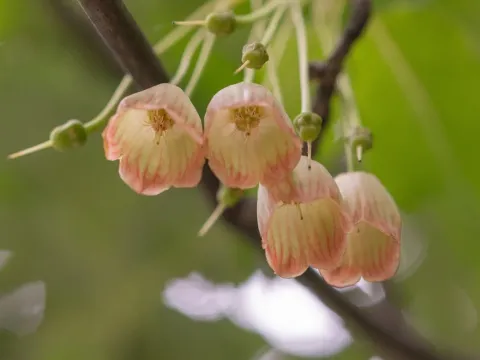
Enkianthus is a genus of deciduous shrubs within the Ericaceae family. Native to East Asia, including Japan and China, these plants are highly prized in horticulture for their delicate bell-shaped flowers and brilliant autumn foliage colors, which range from vibrant yellow to deep red.
What the section contains
 Enkianthus cernuus
Enkianthus cernuus
Enkianthus cernuus
 Enkianthus chinensis
Enkianthus chinensis
Enkianthus chinensis
 Enkianthus deflexus
Enkianthus deflexus
Enkianthus deflexus
 Enkianthus nudipes
Enkianthus nudipes
Enkianthus nudipes
 Enkianthus quinqueflorus
Enkianthus quinqueflorus
Enkianthus quinqueflorus
 Enkianthus ruber
Enkianthus ruber
Enkianthus ruber
 Enkianthus serrulatus
Enkianthus serrulatus
Enkianthus serrulatus
 Enkianthus sikokianus
Enkianthus sikokianus
Enkianthus sikokianus
 Enkianthus subsessilis
Enkianthus subsessilis
Enkianthus subsessilis
 Redvein Enkianthus
Enkianthus serotina
Redvein Enkianthus
Enkianthus serotina
Enkianthus
The primary soil requirement for Enkianthus is high acidity, typically with a pH between 4.5 and 5.5. The soil must be rich in organic matter, loose, and possess excellent drainage. These plants will not tolerate stagnant water or alkaline substrates, which inhibit nutrient uptake and lead to severe chlorosis.
In terms of climate, Enkianthus thrives in temperate regions with reliable rainfall and moderate summer temperatures. They prefer locations with dappled shade, especially in the afternoon, to prevent foliage scorch. Protection from desiccating winds is essential to maintain plant health throughout the year.
Proper agricultural practice involves year-round mulching. Applying a thick layer of pine needles, peat moss, or shredded bark helps to preserve soil moisture, moderate ground temperature, and naturally suppress competition from weeds, all while slowly adding acidity to the soil profile.
Landscape utilization is almost exclusively ornamental. Enkianthus is often used in shrub borders, woodland gardens, or as a feature plant in Japanese-style landscapes. Its tiered branching pattern and graceful form provide year-round architectural interest even when the plant is dormant.
The most significant threats to Enkianthus involve fungal pathogens caused by waterlogged soil conditions. Phytophthora root rot can decimate plants quickly, necessitating the construction of raised beds or improved drainage slopes if the native soil is too heavy or poorly drained.
Pests are generally minimal but can include spider mites during periods of extreme heat and drought. Regular misting of the foliage or providing supplemental irrigation can mitigate mite outbreaks, though chemical intervention may be required if the infestation is severe.
Chlorosis, marked by yellowing leaves with green veins, is a common physiological issue rather than a disease. It is almost always a result of high soil pH, which locks away vital iron and manganese. Regular testing and the use of iron chelates can rectify this condition effectively.
Mechanical damage during cultivation or maintenance is another point of concern. Because Enkianthus has a fibrous and sensitive root system, shallow cultivation or digging too close to the base of the shrub can lead to secondary infections, therefore, avoiding deep soil disturbance is crucial.
To prevent disease transmission, sanitation is paramount. Always sterilize pruning shears between different plants and avoid working with the shrubs when the foliage is wet, as moisture significantly increases the risk of spore transfer and infection in the damaged tissues.