
Styphelia
Styphelia
Styphelia is a genus of evergreen shrubs belonging to the Ericaceae family, widely known as the heath family. These plants are primarily native to Australia, where they are found in various habitats ranging from heathlands to open forests, typically in sandy or well-drained acidic soils.
What the section contains

Styphelia
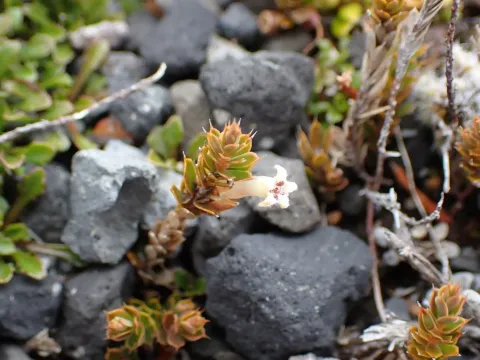
Botanically, Styphelia is characterized by stiff, often prickly foliage that provides an efficient defense against water loss. The flowers are distinctive, tubular, and often display vibrant colors, playing a crucial role in the ecosystem by providing nectar for honey-eating birds and native insects.
Cultivation of Styphelia requires strict attention to soil composition, which must be highly porous, acidic, and free-draining. Because of their sensitivity to waterlogged roots, gardeners often prefer growing them in raised beds or containers to ensure proper aeration and drainage.
The climate requirements for Styphelia are relatively specific, as the plant thrives in conditions that mimic its native habitat. It prefers full sun or light shade and requires protection from harsh, dry winds that can damage the foliage and cause stress to the plant.
Commercially, Styphelia is utilized primarily in ornamental horticulture, particularly in regions where it can be grown outdoors year-round. Its unique floral structure and aesthetic appeal make it a desirable choice for specialized gardens, xeriscaping, and as a decorative filler in floral arrangements.
The most significant threat to Styphelia is Phytophthora root rot, which is common in many Ericaceae species when drainage is inadequate. Additionally, fungal infections such as powdery mildew can occur if the plant is grown in areas with poor airflow and high humidity.
Common insect pests include scale insects and mealybugs, which are often found on the stems and leaf axils. Management involves regular monitoring, manual removal of pests, and the use of appropriate horticultural oils to maintain the health of the plants throughout the growing season.