
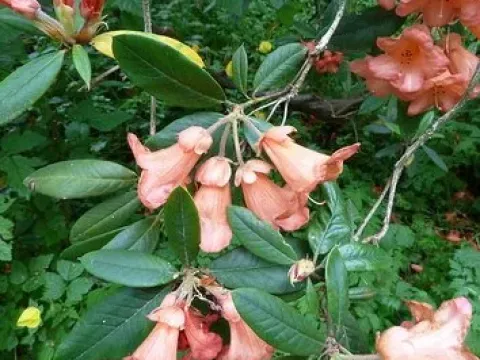
Sun-scaled rhododendron
Rhododendron heliolepis
The sun-scaled rhododendron (Rhododendron heliolepis) belongs to the Ericaceae family. It is a highly ornamental evergreen shrub native to the mountainous regions of Southwestern China and Tibet, where it thrives at high altitudes.
What the section contains
Sun-scaled rhododendron
The species is distinguished by its aromatic, scaly foliage. The undersides of the leaves are covered in distinct scales that release a resinous, balsamic scent when touched, which is a hallmark of this particular botanical variety.
This crop requires acidic soil conditions with a pH range of 4.5 to 5.5. Soil must be loose, well-draining, and rich in organic matter to prevent root suffocation. Sandy loam amended with peat moss is often recommended for garden settings.
Climatic requirements involve cool, moist summers and a protected location. While it can tolerate some sun, it performs best in partial shade, shielded from harsh winds and the intense heat of the afternoon sun, which can scorch the leaves.
Maintenance involves shallow cultivation to avoid disturbing the fine, fibrous root system. Fertilization should be performed using acid-loving plant fertilizers, avoiding any products containing lime or heavy concentrations of chlorine, which can induce chlorosis.
The primary health threats for this species are fungal pathogens, specifically Phytophthora root rot, which typically occurs in waterlogged soils with poor drainage.
Pest pressures include the rhododendron leafhopper, which causes stippling on leaves, and spider mites, which thrive in hot, dry conditions and can cause significant damage to foliage appearance.
Disease management requires maintaining optimal soil moisture levels and ensuring proper air circulation around the shrub to reduce the risk of leaf spotting and fungal colonization.
Chemical control against insects involves the use of systemic insecticides or horticultural oils applied according to the manufacturer's directions, typically during the early stages of infestation.
Sanitation is a vital aspect of management; removing dead or diseased branches helps maintain plant vigor and limits the spread of spores within the garden environment.