

Reference · Crops
Senecio
Senecio L.
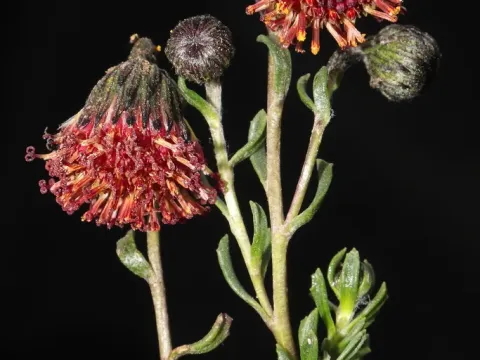
Senecio L. is one of the largest genera within the Asteraceae family, encompassing a vast array of species including annuals, perennials, and succulents. Their morphological diversity allows them to thrive in varied habitats across the globe.
13
items
What the section contains
 Common groundsel
Senecio vulgaris L.
26 products
Common groundsel
Senecio vulgaris L.
26 products
 African ragwort
Senecio pterophorus DC.
African ragwort
Senecio pterophorus DC.
 Cape ivy
Senecio macroglossus DC.
Cape ivy
Senecio macroglossus DC.
 Purple ragwort
Senecio elegans L.
Purple ragwort
Senecio elegans L.
 Senecio archeri
Senecio archeri
Senecio archeri
 Senecio brachypodus
 DC.
Senecio brachypodus
Senecio brachypodus DC.
 Senecio brasiliensis
 (Spreng.) Less.
Senecio brasiliensis
Senecio brasiliensis (Spreng.) Less.
 Senecio candicans
 Wall. ex DC.
Senecio candicans
Senecio candicans Wall. ex DC.
 Senecio candidans
 DC.
Senecio candidans
Senecio candidans DC.
 Senecio haworthii
Senecio haworthii
Senecio haworthii
 Senecio niveoaureus
 Cuatrec.
Senecio niveoaureus
Senecio niveoaureus Cuatrec.
 Sticky ragwort
Senecio viscosus L.
Sticky ragwort
Senecio viscosus L.
 Wood groundsel
Senecio sylvaticus L.
Wood groundsel
Senecio sylvaticus L.
Marketplace
Products in this section · 12


Alfa-Prometrin
Zhejiang Zhongshan Chemical Industry Group Co., Ltd.
Herbicides
1
1
20 offers
4.92 €per pack
Buy



Senecio
Originating from diverse environments, ranging from tropical regions to mountainous areas, these plants exhibit high adaptability. While some species are ornamental, others are valued for their phytochemical properties or are managed as invasive agricultural weeds.
For successful cultivation, Senecio requires well-drained soil with a neutral to slightly acidic pH. The genus is particularly sensitive to waterlogged conditions, making drainage a critical factor for both container-grown and field-cultivated specimens.
Climate requirements vary by species, yet most prefer sunny locations with moderate temperatures. Proper air circulation is essential to prevent physiological stress and to manage the moisture levels within the plant canopy.
Agricultural management involves regular weeding and light fertilization. Because of the diverse nature of the genus, practitioners must determine whether the specific species requires a high-fertility environment or thrives in arid, nutrient-poor conditions.
The genus is susceptible to several fungal diseases, primarily powdery mildew and rust, which flourish in high-humidity environments. Cultural practices, such as proper spacing and irrigation management, are essential for mitigation.
Common pests include aphids, spider mites, and whiteflies. These insects can cause significant damage by depleting plant resources and transmitting viral diseases; therefore, integrated pest management (IPM) is strongly recommended.
Root rot is a major threat in poorly drained soils. Avoiding excessive irrigation and ensuring that the substrate dries out sufficiently between waterings are the most effective preventive measures against root pathogens.
In agricultural settings, many Senecio species are classified as harmful weeds due to their toxic alkaloids, which pose risks to livestock. Controlling these populations requires timely herbicide application or mechanical removal.
Routine scouting for signs of discoloration or wilting allows for early intervention, preventing the spread of diseases within a crop. Maintaining plant health through optimal nutrition helps boost natural resistance to pathogens.