
African ragwort
Senecio pterophorus DC.
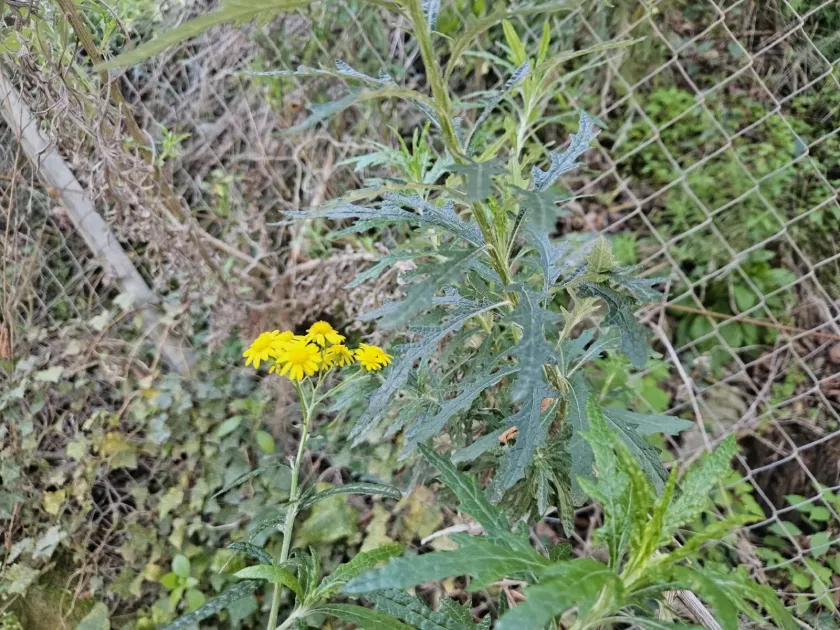
Description
Growing requirements
African ragwort (Senecio pterophorus) is a perennial herbaceous plant belonging to the Asteraceae family. While not an agricultural crop in the traditional sense, it is recognized as a significant invasive weed that poses substantial risks to agricultural land and biodiversity.
Native to South Africa, the plant has successfully established itself in various regions worldwide, including parts of Australia and Europe. It thrives in disturbed environments, often colonizing roadsides, wasteland, and poorly managed pastures where it can outcompete native vegetation.
Botanically, it is a subshrub that can reach heights of 1.5 meters. The leaves have a distinct winged appearance, which helps in identifying the species. The bright yellow flower heads produce wind-dispersed seeds, which are the primary means of its rapid geographical expansion.
The plant is highly adaptable to various soil types and exhibits remarkable drought tolerance. It excels in nutrient-poor soils where native species often struggle, allowing African ragwort to form dense, monoculture-like stands that effectively exclude other plant life.
There is no positive agricultural use for this plant; on the contrary, it is considered a serious hazard. It contains pyrrolizidine alkaloids which make the foliage toxic to livestock, leading to severe health issues or even death if consumed in significant quantities by grazing animals.
Main diseases and pests
The primary threat posed by this species is its aggressive invasiveness. It reduces the carrying capacity of pastures by occupying space that would otherwise be used by beneficial forage grasses, directly impacting the profitability of livestock operations.
In terms of pathogens, the plant is susceptible to certain rust fungi, but these rarely provide sufficient natural control to manage population growth. Similarly, local insect populations in invaded areas are often unable to significantly curb the spread of the plant.
Biological control efforts have been investigated, particularly in Australia, where specific insects were tested to reduce the plant's vigor. However, these methods remain supplementary to standard farm management practices rather than a complete solution.
Mechanical control is effective if carried out consistently. Digging out the roots or intensive mowing before the flowering stage prevents seed set and helps exhaust the rootstock. These methods require ongoing dedication as the plant can regenerate from root fragments.
Chemical control remains the most reliable method in commercial settings. The use of systemic herbicides applied during the vegetative growth phase provides the best results for eradicating established colonies before they spread to clean fields.