
Wood groundsel
Senecio sylvaticus L.
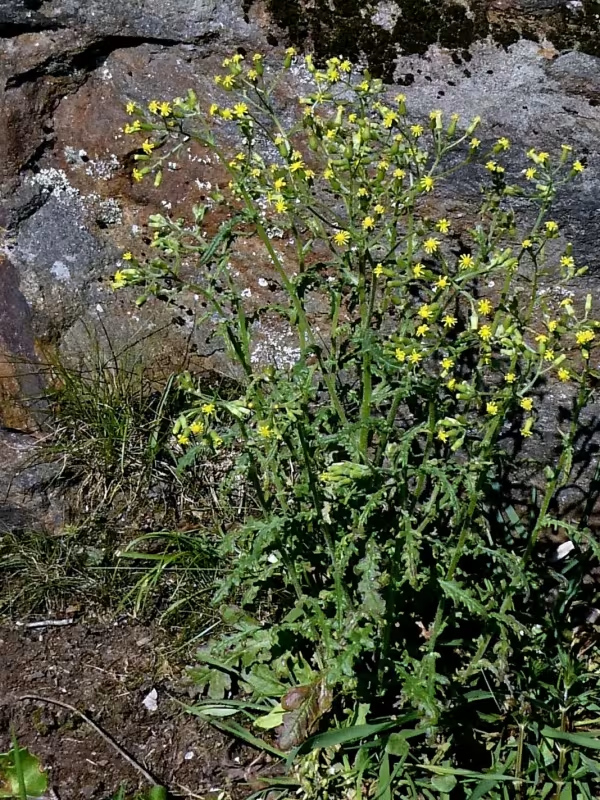
Description
Sowing dates
Wood groundsel is an annual herbaceous plant that reproduces exclusively through seeds. Mass germination typically occurs in spring when soil temperatures reach 10-12 degrees Celsius, although seedlings can appear throughout the summer given sufficient moisture levels.
The seeding depth for natural dispersal is extremely shallow, which is why the plant thrives on sites with disturbed soil surfaces. In agricultural cycles, the seeds can remain viable in the soil for several years, creating a long-lasting seed bank within the field.
Optimal conditions for germination are found in sunny forest clearings or along the edges of agricultural land. The period from germination to the emergence of the first flower buds can range from 4 to 6 weeks depending on the regional temperature regime.
The plant demonstrates high growth rates during the first half of the vegetative season, quickly occupying available ecological niches. Sowing or natural seed dispersal occurs primarily in late summer and early autumn when the flower heads have fully matured.
The survival strategy of this species is based on high fecundity; a single plant is capable of producing thousands of seeds equipped with pappi, ensuring rapid colonization of surrounding territories.
Growing requirements
Wood groundsel prefers light, loose, and sufficiently moist soils, often occurring on sandy or sandy-loam substrates. The culture is sensitive to severe soil compaction, thus performing best on sites where primary tillage or disturbance of the sod layer has occurred.
The plant exhibits moderate soil acidity requirements, growing successfully in both slightly acidic and neutral soils. Good drainage is a critical factor, as stagnant water negatively impacts the development of the root system.
Regarding climatic conditions, Senecio sylvaticus is most common in temperate zones of Europe and Asia. The plant can tolerate short periods of drought, but full development requires regular rainfall during the phase of active growth.
Light intensity plays a significant role; while the plant can tolerate partial shade, it achieves its highest photosynthetic rate under full exposure to sunlight. Consequently, the culture often dominates open forest areas and abandoned arable lands.
Agricultural management measures to control this plant include regular inter-row cultivation and preventing seed set during the flowering period. The use of selective herbicides is also effective when working on heavily infested fields.
Main diseases and pests
Wood groundsel is susceptible to fungal diseases such as powdery mildew, which appears as a white coating on leaves during periods of high humidity. Localized rust infections are also possible, which slow down the accumulation of vegetative biomass.
Pests, such as aphids and various species of leaf miners, often choose this species as a food source, sucking sap from young shoots. This can lead to leaf deformation and a decrease in the plant's overall vitality.
Nematodes residing in the rhizosphere can pose a serious threat when the culture is grown on poorly drained sites. The damage caused by nematodes is manifested through the formation of root galls, which inhibit the uptake of essential nutrients.
Under field conditions, wood groundsel often suffers from micronutrient deficiencies if fertilizer balances are not maintained, making it more vulnerable to secondary infections. Proper agrotechnology reduces the risk of disease outbreaks.
Disease prevention consists of adhering to crop rotation and the timely removal of plant debris, which can act as a reservoir for overwintering pathogen spores and pest eggs.