
Senecio brachypodus
Senecio brachypodus DC.
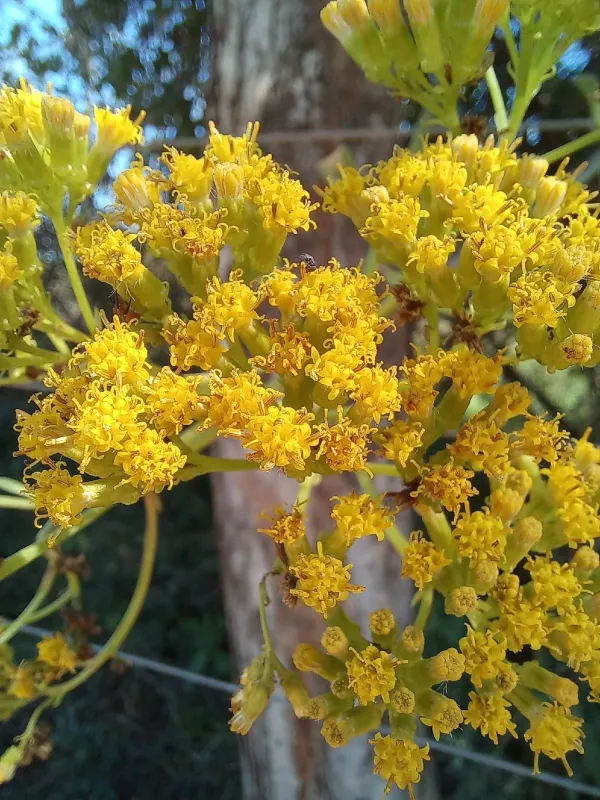
Description
Sowing dates
Senecio brachypodus is a member of the Asteraceae family. While primarily known in the wild as a common weed or native species, it can be grown in controlled conditions for specific botanical or pharmacological studies, requiring a clear understanding of its life cycle.
Propagation is mainly achieved through seeds, which are highly mobile and disperse efficiently via wind. In an agricultural or experimental setting, seeds should be sown in early spring when temperatures remain consistently above 8 degrees Celsius.
The optimal depth for planting is approximately 1–2 cm. Covering seeds with a light layer of soil or fine peat helps to retain moisture while ensuring that the light-sensitive seeds receive sufficient radiation for germination.
Spacing between plants should be adjusted to allow for the development of a large basal rosette. Overcrowding in the early stages leads to poor plant development and increased susceptibility to various pathogens during the growing season.
If sowing for research purposes, it is recommended to use stratified seeds to ensure more uniform emergence across the field. Early spring planting is preferred to take advantage of natural moisture levels in the topsoil.
Growing requirements
This species thrives in well-drained, porous soils. It is particularly sensitive to waterlogging, which often leads to root collar rot and stunted development. Sandy loams are considered the best substrate for its growth.
Senecio brachypodus is a heliophilous plant, requiring full sun exposure throughout the day. In shaded areas, the plant exhibits etiolation, reduced biomass, and lower concentrations of secondary metabolites.
The climate requirements include moderate moisture and temperatures ranging from 15 to 25 degrees Celsius. While it can withstand short periods of heat, extreme drought often forces the plant into early dormancy.
Soil fertility should be maintained at moderate levels. Excessive nitrogen application is discouraged as it favors succulent leaf growth over the development of specialized chemical compounds that are often the target of cultivation.
- Soil type: Sandy loam, well-drained.
- Sunlight: Direct, high intensity.
- Optimal pH: 6.0–7.0.
Yield
The economic value of this crop is primarily linked to its secondary compounds, specifically pyrrolizidine alkaloids. Consequently, it is grown in small-scale plots rather than large industrial fields.
Yield metrics for this species typically range between 10–15 decitonnes per hectare for dried material. The peak harvest time is during the early flowering stage when the plant is most metabolically active.
Harvesting should be conducted carefully to avoid contamination from soil or debris. Cutting the aerial parts at a height of 5–10 cm above the ground helps in protecting the root system and encourages potential regrowth if conditions allow.
Post-harvest management involves immediate drying in well-ventilated sheds at temperatures below 45 degrees Celsius. This ensures the chemical profile remains stable and the biomass is not damaged by fungal spoilage.
Storage requires cool, dry conditions with constant airflow. Proper packaging in paper sacks prevents moisture accumulation, which can cause chemical degradation or microbial growth over time.
Main diseases and pests
Aphids are the most significant pest, frequently attacking the flower buds and tender leaves. Infestations can cause significant losses in yield if not managed through integrated pest control strategies.
Fungal diseases, especially powdery mildew, represent a major threat during humid periods. Ensuring adequate plant spacing and air circulation is the primary preventative measure against these infections.
Root rot occurs in heavy or poorly drained soils, particularly after intense rainfall events. Maintaining an effective drainage system within the cultivation area is crucial to prevent stand loss.
Weed competition during the seedling stage is critical. Hand weeding or mechanical cultivation in the early weeks is essential, as the plant grows slowly until the basal rosette is fully formed.
Integrated pest management, involving the use of biological control agents and resistant practices, is encouraged over synthetic chemicals to maintain the quality and safety of the final plant materials.