
Cape ivy
Senecio macroglossus DC.
Description
Growing requirements
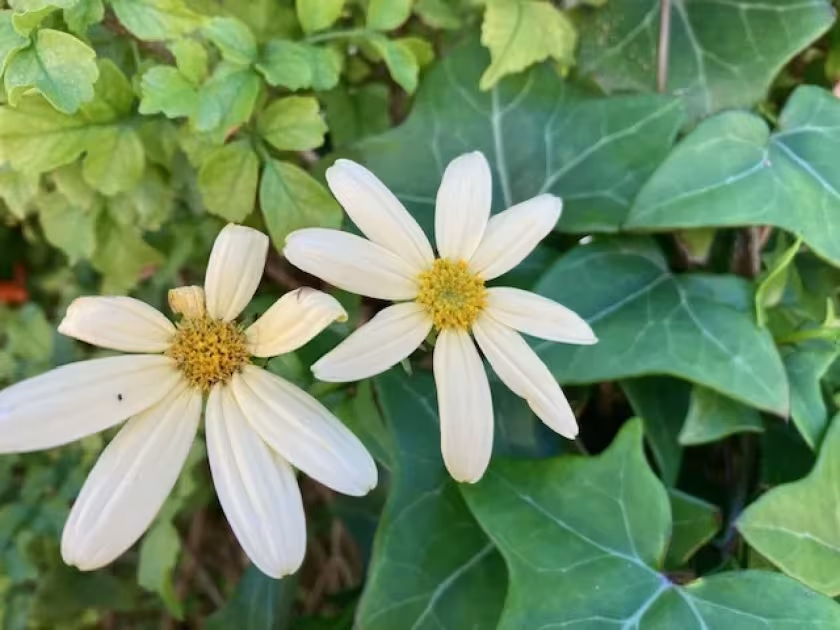
Senecio macroglossus, commonly known as Cape ivy, belongs to the Asteraceae family. Despite its common name, it is a succulent plant rather than a true ivy, characterized by its thick, waxy, ivy-shaped leaves.
The plant originates from the arid regions of Southern Africa. Its natural habitat is characterized by rocky terrain and sunny, open areas, which has shaped its physiology to be highly tolerant of dry conditions.
Agrotechnical requirements include the use of a well-draining, sandy-loam soil mix. The root system is sensitive to waterlogging, so adequate drainage in pots or garden beds is mandatory to prevent root rot.
The plant thrives in bright, filtered light. While it can tolerate some direct sunlight, intense afternoon sun may lead to leaf scorch, especially in indoor environments with low airflow.
The optimal temperature range for this species is between 18°C and 25°C. It is strictly frost-sensitive and should be kept in temperatures above 10°C to ensure continued metabolic activity and growth.
Main diseases and pests
The most common pests affecting this plant are spider mites, which thrive in dry and warm conditions typical of indoor gardening.
Mealybugs are another frequent threat, often congregating in the leaf axils and stems, which can weaken the plant and cause stunted development.
Fungal issues, specifically root rot, are almost exclusively caused by improper irrigation practices or soil mixes with poor permeability.
Prevention methods include keeping the foliage clean, providing proper air circulation, and avoiding excessive water accumulation in the soil.
In case of infestation, treatment involves applying appropriate insecticidal soaps or systemic pesticides suitable for ornamental succulent plants.