
Purple ragwort
Senecio elegans L.
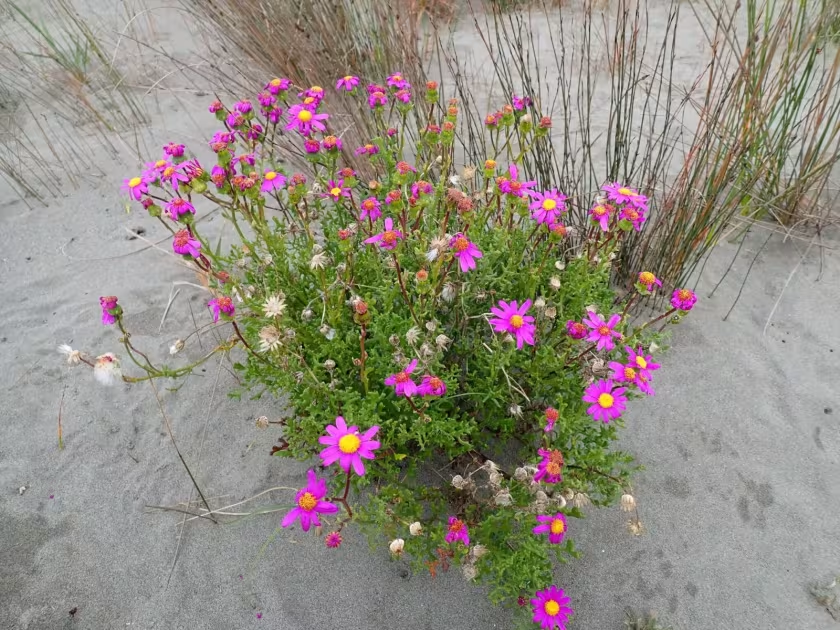
Description
Sowing dates
Purple ragwort (Senecio elegans L.) is an attractive annual plant belonging to the Asteraceae family. In temperate regions, seeds are typically started indoors in March or April to ensure early flowering in the garden.
Direct outdoor sowing is recommended during the second half of May once the danger of frost has passed. Seeds should be sown at a depth of 0.5 to 1 cm, as they require light for optimal germination.
Maintaining soil temperatures between 18–20 degrees Celsius is essential for steady seedling development. Keeping the surface moist but not waterlogged is critical during the initial germination phase.
When transplanting seedlings, a spacing of 20–30 cm between plants is ideal. This spacing allows for proper air movement and encourages the development of healthy, bushy plants.
The plant has a relatively fast growth cycle, making it an excellent choice for seasonal borders and containers where quick floral results are desired.
Growing requirements
This species is highly photophilous and performs best in locations receiving full sun. Inadequate lighting usually results in leggy stems and a reduction in the number of blooms.
Well-draining, sandy, or light loam soils are preferred. Good drainage is vital, as the plant is susceptible to root diseases if kept in waterlogged conditions for extended periods.
Although the plant shows moderate drought tolerance once established, regular watering is necessary during prolonged hot spells to keep the plant in peak ornamental condition.
Fertilization with a balanced, water-soluble fertilizer applied once every few weeks during the growing season will significantly boost flower production and overall plant health.
Regular maintenance including weeding and soil aeration helps prevent moisture loss and ensures that nutrients remain available to the plant roots throughout the summer.
Main diseases and pests
Aphids and spider mites are the most common pests affecting this plant, especially during hot and dry periods. If left untreated, these insects can weaken the plant and spread viral diseases.
Powdery mildew can occur in areas with poor airflow or high humidity. Symptoms include a powdery white layer on the foliage, which should be treated with appropriate organic or chemical fungicides.
Root rot is a common issue caused by overwatering or soil compaction. Symptoms include wilting and yellowing leaves, which often appear even when the soil is visibly moist.
Slugs and snails can cause significant damage to young transplants, particularly during damp spring weather. Implementing barriers or using pest traps is recommended to protect the crop.
- Monitor plants weekly for signs of pest infestations.
- Avoid overhead watering to reduce fungal pathogen risks.
- Provide adequate spacing between plants to improve airflow.
- Remove heavily infested parts of the plant immediately to prevent spread.
Harvesting
Seeds are harvested once the flower heads turn brown and become dry to the touch. It is best to gather them on a dry, sunny day to prevent rotting during the storage process.
After collection, the seeds should be thoroughly dried in a well-ventilated area before being stored in cool, dark conditions to maintain their viability for the following planting season.