Description
Sowing dates
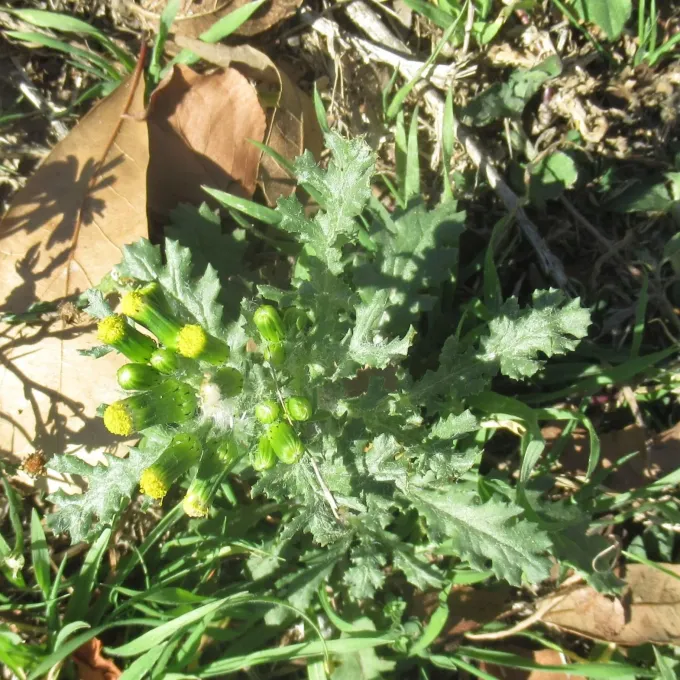
Common groundsel is an ephemeral weed, part of the Asteraceae family, which is known for its exceptionally rapid development cycle. It can produce several generations within a single growing season.
Germination typically begins in early spring, as soon as the soil temperature reaches +2 to +4 degrees Celsius. The species thrives during cool, moist periods in both autumn and spring.
The seeds of this plant exhibit high longevity and can remain dormant in the soil for several years. This ability ensures the species persists even when environmental conditions are unfavorable.
It is a significant competitor in early-season grain and vegetable fields. Due to its fast-track growth, it often competes for nutrients and space before crops reach full canopy closure.
Wind dispersal is facilitated by the pappus on the seeds, allowing for rapid colonization of new areas. Preventive control is necessary to stop the formation of viable seed heads.
Growing requirements
Senecio vulgaris is highly adaptive to various soil types, ranging from nutrient-rich loams to sandy or heavy clay soils. It is particularly associated with nitrogen-rich, well-tilled habitats.
As a hygrophilous plant, it flourishes in environments with consistent moisture. Consequently, it is a persistent presence in irrigated vegetable farms, orchards, and vineyards.
The plant is not particularly sensitive to soil acidity, allowing it to invade diverse agro-ecosystems. While it prefers sunny areas, it can tolerate partial shade if moisture levels are adequate.
Cultural management is the primary method of control. This includes timely tillage, shallow cultivation to destroy young seedlings, and crop rotation to disrupt its quick life cycle.
Chemical control measures are most effective when applied at the seedling stage. Selective herbicides targeting broadleaf weeds are commonly utilized to protect valuable crops from infestation.
Main diseases and pests
Common groundsel acts as a host for various agricultural pathogens, including rust fungi that can spread to cereal crops. Managing this weed is essential for maintaining field hygiene.
The plant is susceptible to powdery mildew, which can easily migrate to neighboring vegetable or horticultural plants, reducing their overall yield and quality.
Regarding pests, Senecio vulgaris can harbor specific species of aphids and leaf miners. High population densities of these pests on weeds can lead to spillover effects on crops.
From an animal health perspective, the presence of pyrrolizidine alkaloids makes the plant toxic to livestock. Contamination of hay or pasture poses a significant risk to horses and cattle.
Integrated pest management strategies should focus on eliminating common groundsel from field margins and surrounding waste areas to reduce the overall inoculum pressure.
Reference
Connections · Common groundsel
Most often together:
Marketplace
Products · 26


Alfa-Prometrin
Zhejiang Zhongshan Chemical Industry Group Co., Ltd.
Herbicides
1
1
20 offers
4.92 €per pack
Buy