
Sticky ragwort
Senecio viscosus L.
Description
Sowing dates
Sticky ragwort is an annual herbaceous plant that reproduces exclusively by seeds. Germination typically occurs in early spring once soil temperatures reach 5–8 degrees Celsius.
Seedlings often emerge sporadically, which makes weed management challenging during the early stages of vegetation. The seeds exhibit high viability and can persist in the soil for several years until optimal conditions for growth occur.
The ideal timeframe for mass seed germination is usually between April and May, depending on the specific climatic zone. Under favorable moisture conditions, the plant is capable of producing multiple generations within a single growing season.
To prevent the spread of the weed in cultivated fields, pre-sowing cultivation is highly recommended. This practice stimulates the germination of ragwort seeds before the main crop is planted, allowing for their mechanical removal.
Autumn tillage also helps to exhaust the soil seed bank of sticky ragwort. Timely destruction of young seedlings before they reach the flowering stage is a critical factor in limiting the expansion of this species.
Growing requirements
Sticky ragwort belongs to the Asteraceae family and is considered a common ruderal plant. It prefers light, sandy, or loamy soils with moderate moisture levels and good aeration.
The plant demonstrates remarkable ecological plasticity, easily colonizing roadsides, railway embankments, and abandoned agricultural lands. It is capable of tolerating temporary nutrient deficiencies in the substrate.
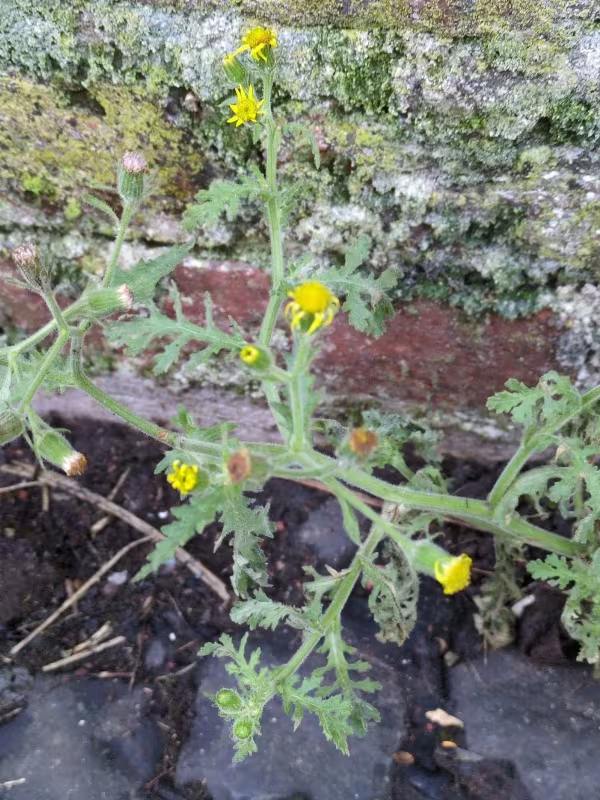
While the plant is not highly demanding regarding light regimes, it develops most vigorously in open, well-lit areas. The presence of glandular hairs on the stems provides the plant with protection against desiccation and gives it a sticky texture.
The species successfully adapts to conditions of anthropogenic pressure and soil salinity. Its high competitive ability allows it to rapidly displace other species in newly opened or disturbed territories.
The optimal temperature range for active growth is between 18–25 degrees Celsius. Nevertheless, sticky ragwort maintains viability even under significant diurnal temperature fluctuations typical of early spring.
Main diseases and pests
The primary damage caused by sticky ragwort is its intense competition with agricultural crops for moisture and mineral nutrients. Weed infestation significantly reduces the overall yield of cereal and vegetable crops.
The plant acts as a reservoir for various viral and fungal diseases. Specifically, leaves of sticky ragwort are often hosts for pathogens that cause rust and powdery mildew, which then transfer to cultivated species.
The sticky nature of the stems facilitates the adhesion of pollen and spores, potentially exacerbating the spread of late blight in solanaceous crops. This makes the weed a highly undesirable neighbor for vegetable plantations.
Pests, such as aphids and spider mites, often utilize sticky ragwort as an initial food source at the start of the season. From there, these pests migrate to crop plants, causing significant economic damage.
Chemical control of this weed is hindered by the sticky secretion on the stems, which prevents effective wetting by standard herbicide applications. The use of surfactants is strongly recommended to ensure sufficient biological efficacy.