
Senecio candidans
Senecio candidans DC.
Description
Growing requirements
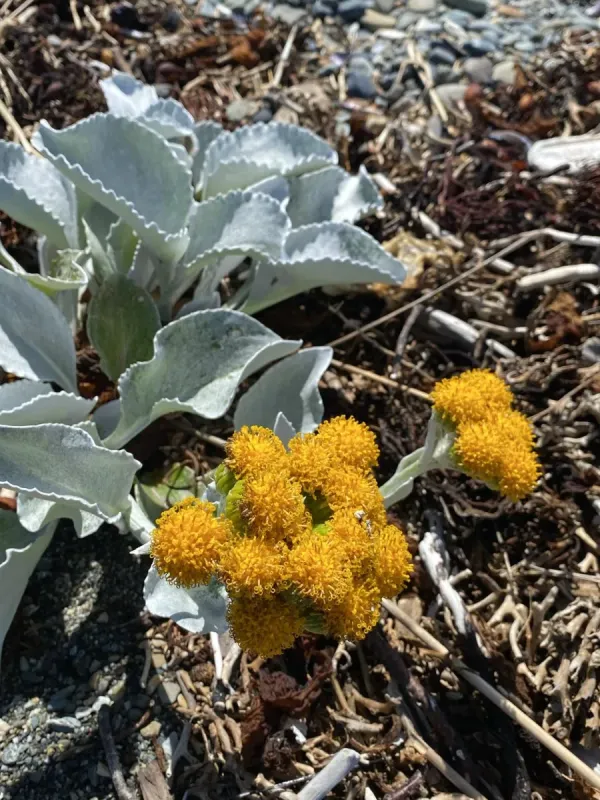
Senecio candidans is a perennial herbaceous plant from the Asteraceae family. It is highly prized by gardeners for its striking, broad, and heavily felted silver leaves that provide high contrast in landscape designs.
The species originates from Tierra del Fuego in South America. Its evolution in harsh, windswept environments has equipped it with a natural ability to thrive in challenging, exposed conditions where other plants might struggle.
This plant thrives in well-draining, sandy, or rocky soil. The primary rule for successful cultivation is to avoid waterlogged conditions, as the root system is highly sensitive to excessive moisture.
Full sun is essential for maintaining the plant's intense silvery foliage color. In shaded conditions, the plant tends to lose its characteristic brightness and becomes leggy, which significantly reduces its ornamental value.
It is relatively hardy, but in regions with harsh winters, it requires protection or must be treated as a container plant. Maintaining good air circulation is vital to keep the foliage dry and healthy throughout the growing season.
Main diseases and pests
The most significant threat to Senecio candidans is fungal decay, which almost always stems from poor drainage or excessively humid conditions. Standing water can cause rapid root rot, which is often irreversible.
Botrytis or grey mold may occur if air circulation is inadequate. This fungus manifests as a fuzzy grey growth on the leaves, usually following periods of prolonged rainfall or overhead irrigation.
Aphids can infest the tender new growth during the spring months. These pests suck the plant's sap, potentially stunting growth and acting as vectors for secondary viral or fungal infections.
Mealybugs are another common nuisance, often hiding in the dense woolly covering of the leaves, making them difficult to detect until the infestation becomes quite severe and visible.
Regular inspection of the plant is recommended. Integrated pest management practices, including the use of horticultural soaps or specific insecticides, should be applied as soon as the first signs of infestation appear.