
Senecio haworthii
Senecio haworthii
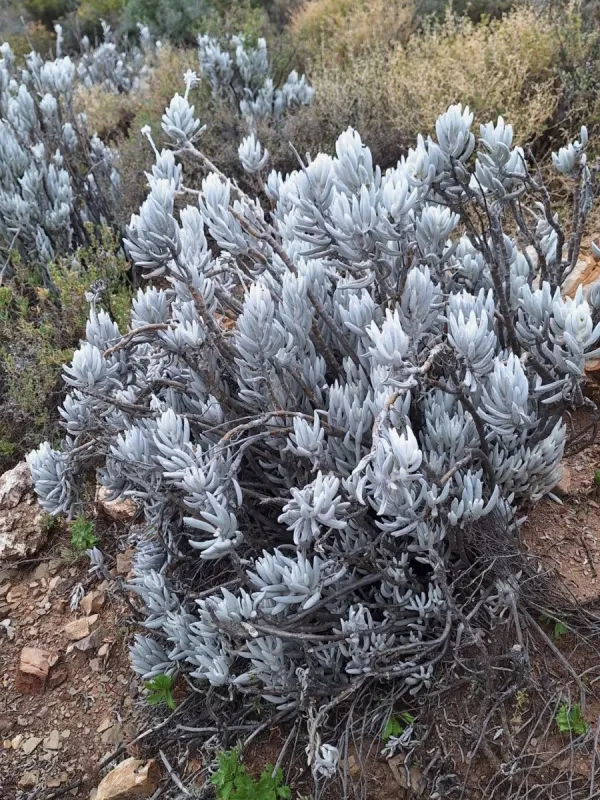
Description
Sowing dates
Propagation of Senecio haworthii is primarily performed vegetatively, as seed production is erratic and requires specific conditions. The optimal time for taking stem cuttings is during the spring and summer months when the plant is in its active growth phase.
Cuttings should be taken from the mother plant and allowed to air-dry for several days until a callus forms over the cut site. This is a critical step that prevents tissue rot when the cutting is placed into a moist growing medium.
Planting is done in a loose, well-draining, sandy substrate. Root development is enhanced by maintaining stable temperatures around 20–22°C (68–72°F) under moderate, indirect light.
In professional or collector cultivation, sterile, specialized cactus and succulent potting mixes are commonly used. Care must be taken with initial watering to avoid excessive moisture until a functional root system has been established.
Within 3 to 4 weeks, the cuttings will usually exhibit signs of active growth, indicating successful rooting and the beginning of independent plant development.
Growing requirements
Senecio haworthii is a perennial succulent belonging to the Asteraceae family, native to the arid regions of South Africa. The plant is highly valued for its striking appearance, characterized by a dense covering of white, woolly hairs that serve as a protective barrier against excessive sun exposure.
The species has high light requirements and thrives in direct sunlight for most of the day. A lack of adequate light causes the stems to become etiolated and lose their characteristic silver-white coloration, resulting in a leggy and less aesthetic plant.
In terms of soil, excellent drainage is the most important factor, as standing water in the root zone is lethal to the plant. The ideal substrate mix should include coarse sand, perlite, or fine gravel, combined with only a small portion of loamy soil.
During the active growing season, moderate warmth is preferred. During the winter, the plant requires a dormant period with lower temperatures, although it should be protected from freezing, as temperatures below 5°C (41°F) can cause significant damage.
Low ambient humidity is essential for this species. Its dense felt-like coating traps moisture, making it highly susceptible to fungal infections if kept in humid or poorly ventilated conditions.
Main diseases and pests
The primary threat to Senecio haworthii is root rot caused by improper watering practices. Overwatering leads to rapid softening of stem tissues, an issue that is often fatal to the plant.
Common pests include mealybugs and spider mites, which frequently seek shelter beneath the thick, white felt-like layer covering the stems and leaves, making them difficult to detect and eradicate.
Mealybugs are particularly challenging to control because their waxy secretions mimic the plant's natural appearance. Early intervention with systemic insecticides is necessary to manage infestations effectively.
Spider mites can also cause damage, appearing as tiny, pale spots on the stems. These pests proliferate in environments where air is excessively dry and lacks adequate circulation.
To prevent the spread of pests and diseases, regular visual inspections are vital. Furthermore, any new plants added to a collection should be kept in quarantine to ensure they are free of pests before placement near established specimens.
Harvesting
In ornamental horticulture, the economic use of Senecio haworthii is focused on its production as a potted ornamental for greenhouses, conservatories, and private collections. Harvesting essentially refers to the collection of cuttings for propagation.
The best time to prune or harvest material from a mother plant is following the flowering stage or at the very start of the growth season, when the plant has sufficient energy reserves for tissue regeneration.
Tools used for harvesting must be sharp and sanitized to minimize the risk of introducing pathogens into the plant's vascular tissues through open wounds.
Following the harvest, the parent plant requires a period of rehabilitation. Watering should be withheld until the wounds have completely dried, which helps prevent the spread of soil-borne pathogens into the stems.
Harvested material is typically sorted by the density of the woolly covering and the health of the stem tissue, ensuring that only high-quality specimens are selected for propagation or commercial retail.