
Senecio archeri
Senecio archeri
Description
Growing requirements
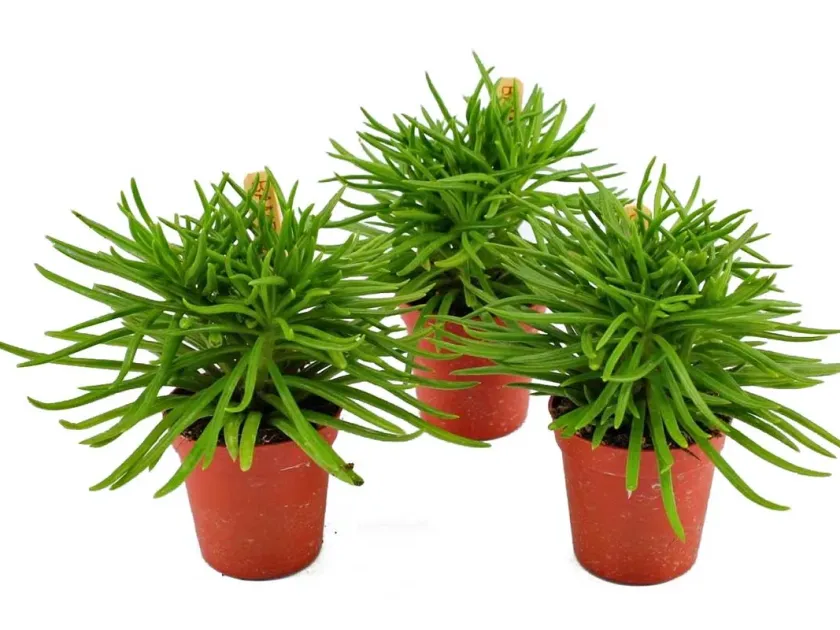
Senecio archeri is a distinct succulent species belonging to the Asteraceae family. This perennial plant is highly specialized, having evolved to thrive in arid and semi-arid environments by storing water within its succulent tissues.
The native habitat of this species is characterized by intense solar radiation and minimal precipitation. To cultivate it successfully, one must provide a bright, sunny environment, preferably with full sun exposure during the active growth phases.
The ideal growing medium for this culture is a gritty, well-draining soil mix specifically formulated for succulents. Such soil ensures adequate oxygen levels around the root zone and prevents the accumulation of excess moisture.
Temperature requirements remain stable within the range of 18 to 28 degrees Celsius. During the dormant winter season, temperatures should be kept moderate to avoid stress, while ensuring the plant is kept completely dry to prevent root rot.
Watering practices require strict adherence to the soak-and-dry method. It is essential to let the substrate dry out entirely between irrigation cycles to mimic the natural fluctuations of the plant's native climate.
Harvesting
The primary economic and practical use of Senecio archeri is within the horticultural sector, specifically for ornamental landscape design and as a specimen for botanical collections. Its structural form makes it a popular choice for xeriscaping.
Propagation is most efficiently achieved through stem cuttings. Successful propagation requires allowing the cut surface to callus for several days before placing it into dry, sterile media to initiate root development.
Maintenance involves routine checks for structural integrity and cleanliness. Removing dead foliage and ensuring that light exposure is balanced prevents etiolation and promotes a compact, healthy growth habit in potted specimens.
Fertilization should be limited to the growing season using low-nitrogen, phosphorus-rich formulations designed for succulent varieties. Avoid applying fertilizer during the winter dormancy period as the plant is not actively taking up nutrients.
Future research into the species focuses on optimizing propagation efficiency and understanding its resistance to environmental stressors. As a hardy plant, it remains a valuable asset for collectors and nurseries specializing in arid flora.