
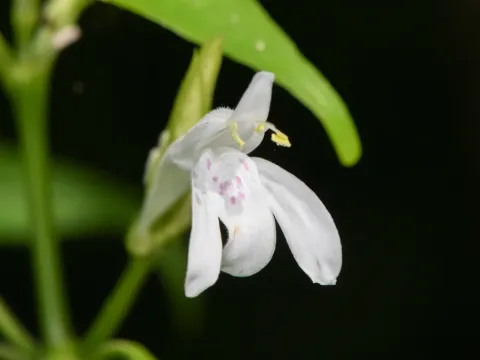
Justicia
Justicia L.
Justicia L. is a diverse genus of evergreen shrubs and herbaceous plants within the Acanthaceae family. Recognized for its ornamental appeal, this genus is widely cultivated in controlled environments, including greenhouses and conservatories.
What the section contains
 Andrographis paniculata
 (Burm. f.) Wall. ex Nees
Andrographis paniculata
Andrographis paniculata (Burm. f.) Wall. ex Nees
 Brazilian plume
Justicia carnea Lindl.
Brazilian plume
Justicia carnea Lindl.
 Justicia candicans
 nees l benson
Justicia candicans
Justicia candicans nees l benson
 Justicia nodosa
 Hook
Justicia nodosa
Justicia nodosa Hook
 Justicia pictifolia
 Standl.
Justicia quinqueangularis
Justicia quinqueangularis J. König ex Roxb.
Justicia pictifolia
Justicia pictifolia Standl.
Justicia quinqueangularis
Justicia quinqueangularis J. König ex Roxb.
 Mexican shrimp plant
Justicia brandegeana Wassh. & L. B. Sm.
Mexican shrimp plant
Justicia brandegeana Wassh. & L. B. Sm.
Justicia
Originating from the tropical regions of the Americas and Asia, Justicia requires a climate that mimics its native habitat. It does not tolerate freezing temperatures and thrives best in warm, humid conditions year-round.
Optimal growth requires bright, indirect light, as direct sunlight often causes foliage scorch. Temperatures should ideally range between 20°C and 25°C, with efforts made to prevent exposure to cold drafts or rapid thermal fluctuations.
The preferred soil for Justicia is a well-draining, nutrient-rich potting mix with a pH level between 6.0 and 7.0. Ensuring consistent soil moisture is essential; however, the root system is highly sensitive to waterlogging, necessitating effective drainage.
Regular maintenance includes periodic fertilization during the growing season and strategic pruning to encourage a bushy growth habit. High ambient humidity is crucial, and it can be effectively managed through misting or the use of humidification systems.
The most common pests affecting Justicia include spider mites and scale insects, which often thrive in low-humidity indoor environments. Routine inspections are necessary to identify early signs of infestations before they damage the plant.
Root rot remains a primary threat, typically caused by overwatering or poor drainage systems. This fungal condition can quickly devastate a plant, making prevention through precise irrigation management the most effective control method.
Mealybugs are another significant concern, as they hide in leaf axils and stems, sapping nutrients from the plant. Manual removal combined with systemic insecticidal treatments is often required for effective management.
Leaf spot diseases can develop if the cultivation space suffers from poor air circulation and excessive humidity. Improving ventilation and maintaining strict hygiene standards are vital to limiting the spread of fungal pathogens.
Protective measures include the application of fungicides and the isolation of any newly acquired or sick plants. Balancing environmental factors, such as light and humidity, is the best natural defense against most plant stressors.