
Hygrophila uliginosa
Hygrophila uliginosa
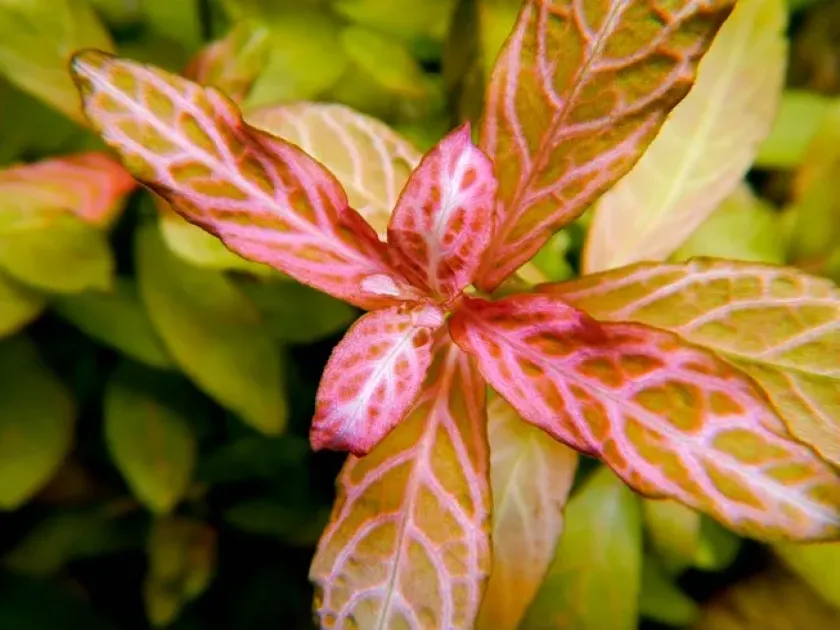
Description
Sowing dates
Sowing of Hygrophila uliginosa is typically performed in early spring, once the substrate temperature stabilizes at a level of 20–22 degrees Celsius.
The seeds require a consistently moist and fine-textured substrate to ensure successful germination without the risk of drying out at critical stages.
Precise depth control is essential during the sowing process, as the seeds need adequate light exposure to initiate the growth cycle effectively.
In controlled greenhouse conditions, planting can be scheduled year-round, provided that supplementary lighting and optimal thermal levels are maintained.
Successful seedling establishment depends heavily on keeping the environment stable and preventing excessive thermal fluctuations during the first two weeks.
Growing requirements
Hygrophila uliginosa is an herbaceous perennial belonging to the Acanthaceae family, native to tropical and subtropical wetlands across Asia.
The crop thrives in high-humidity environments and requires nutrient-rich, well-draining soils with a neutral or slightly acidic pH balance.
Optimal growth occurs at temperatures ranging between 22 and 28 degrees Celsius, though the plant shows resilience to minor environmental cooling.
Intense, indirect light is necessary for robust leaf development; direct exposure to high-noon sunlight may result in leaf scorch and physiological stress.
Water quality is a significant factor in agronomy, as the plant is sensitive to excessive salinity and heavy metal content in the irrigation supply.
Yield
Yield management for Hygrophila uliginosa focuses on maximizing the production of healthy green biomass for market distribution and botanical usage.
Strategic pruning and trimming of the terminal buds encourage lateral branching, effectively doubling the biomass output per plant unit in optimal conditions.
Industrial yields are significantly enhanced by implementing hydroponic or semi-aquatic systems that allow for precise nutrient delivery to the root zone.
Crop uniformity is highly dependent on the regularity of fertilization and the maintenance of a consistent lighting cycle throughout the vegetative phase.
Sustainable harvesting methods ensure the longevity of the mother plants, allowing for multiple cutting cycles within a single growing season.
Main diseases and pests
Common pests affecting this species include aphids and spider mites, which exploit the plant's high-moisture foliage in dense greenhouse populations.
Fungal pathogens such as powdery mildew represent a major threat when air circulation is poor or relative humidity exceeds safe operational thresholds.
Root rot is a prevalent issue in poorly drained substrates, often caused by stagnant water conditions that lead to anaerobic bacterial proliferation.
Effective pest management relies on early detection and the use of integrated biological control methods to minimize reliance on synthetic pesticides.
Maintaining proper plant spacing is a fundamental prophylactic measure to prevent the rapid spread of infections across the plantation area.
Harvesting
Harvesting is conducted via manual or mechanized clipping of the stems, ensuring that sufficient node growth is left for rapid plant regeneration.
Timing is critical; harvesting is performed early in the day to ensure the highest turgor pressure in the plant tissues for better post-harvest durability.
The harvested product undergoes an immediate sorting process to remove any damaged leaves or stems before packaging for transport or sale.
Storage requires high humidity and cool temperatures (10–15 degrees Celsius) to prevent dehydration and maintain the aesthetic quality of the biomass.
Careful handling of the delicate stems during the collection process is necessary to avoid wounding, which serves as a pathway for post-harvest decay.