
Justicia clauseniana
Justicia clauseniana
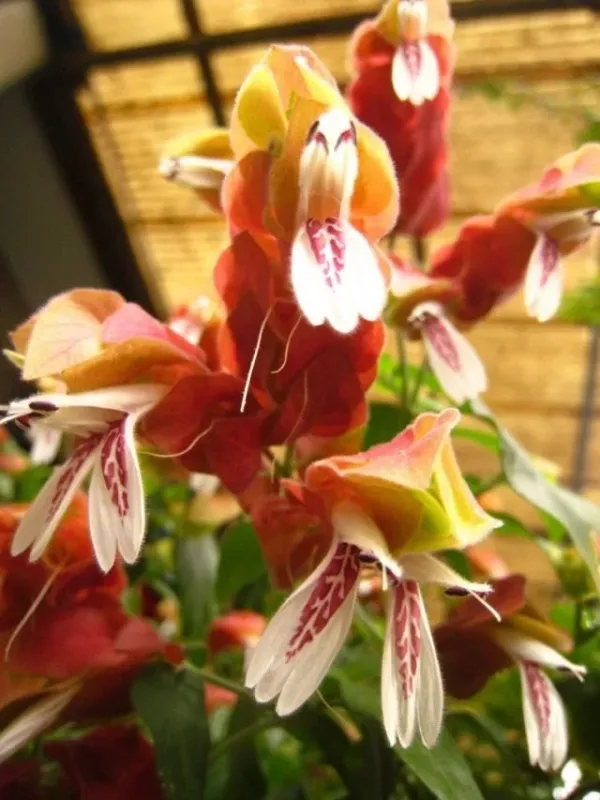
Description
Sowing dates
Justicia clauseniana is a perennial herbaceous plant belonging to the diverse Acanthaceae family. Naturally, this species originates from the tropical regions of South America, with its primary distribution centered in Brazil.
In agricultural and horticultural practice, propagation is primarily achieved through cuttings. The most favorable time for taking and rooting cuttings is during the spring and summer months when the plant exhibits active growth.
Propagation by seeds is possible but less common due to the specific conditions required for successful germination. Seeds are typically sown in a lightweight, moist substrate under glass to maintain high humidity.
Temperature control is essential for successful propagation. Maintaining a stable range between 22 and 25 degrees Celsius significantly increases the success rate of rooting and seedling emergence.
Outside of tropical zones, this plant is cultivated exclusively as a container or greenhouse specimen. It requires a controlled environment that mimics its natural habitat to thrive and reach maturity.
Growing requirements
The plant has specific soil requirements, preferring loose, nutrient-rich, and well-draining substrates. Proper drainage is crucial to prevent waterlogging, which the root system of this species is highly sensitive to.
Light management is a vital aspect of cultivation. Justicia clauseniana thrives in bright, filtered light; excessive exposure to direct sunlight can cause leaf scorch, necessitating the use of shading in bright environments.
Watering must be both consistent and moderate. During the growing season, the substrate should be kept evenly moist without becoming saturated, as stagnant water is a leading cause of physiological stress.
High relative humidity is necessary for the plant's health. In indoor or greenhouse settings, regular misting or the use of humidifiers is recommended to prevent leaf desiccation and promote vigorous development.
Fertilization with a balanced liquid fertilizer during the active growing season encourages lush foliage and promotes better overall plant vigor, applied every two to three weeks.
Main diseases and pests
Common pests associated with this plant include spider mites and mealybugs, particularly when the ambient humidity is too low. These pests can cause significant damage to the leaves if left uncontrolled.
Root rot is a major threat, usually triggered by overwatering or poor soil aeration. Once the root system is compromised, the plant struggles to uptake nutrients, leading to rapid decline and potential death.
Leaf spot diseases can occur if there is insufficient air circulation or if water collects on the foliage for extended periods. Maintaining good ventilation is essential for preventing the spread of fungal pathogens.
Integrated pest management strategies, including regular inspections and the application of appropriate biological or chemical treatments, are recommended to maintain a healthy plant collection.
Good cultural practices, such as proper spacing between plants and maintaining optimal humidity levels, are the most effective ways to mitigate the risk of disease and pest outbreaks in a cultivation setting.