
Mexican shrimp plant
Justicia brandegeana Wassh. & L. B. Sm.
Description
Growing requirements
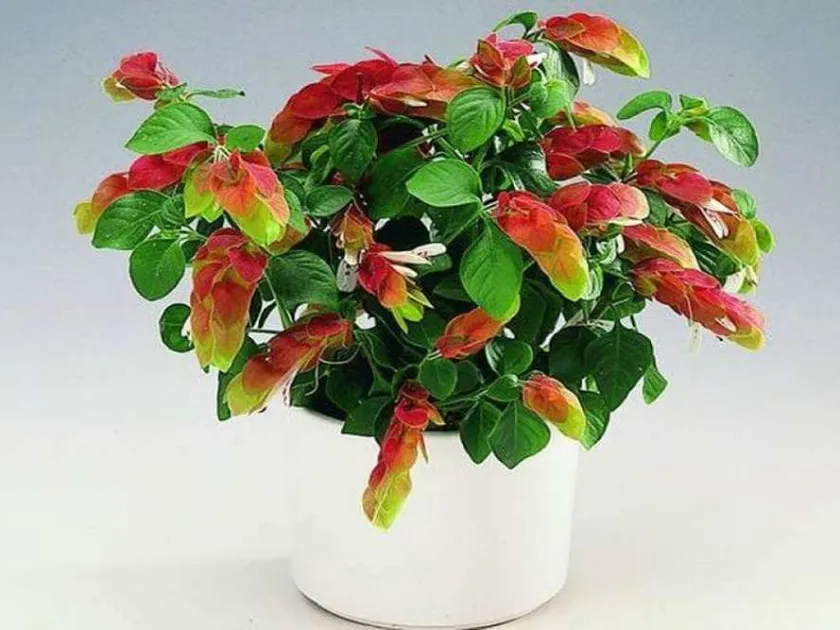
Justicia brandegeana, commonly known as the Mexican shrimp plant, is a member of the Acanthaceae family. Native to Mexico, this evergreen shrub is prized for its unique, shrimp-shaped colorful bracts that persist for long periods.
Cultivation of this plant requires a bright, indirect light environment to thrive. If placed in too much shade, the stems tend to become leggy and the color intensity of the bracts significantly diminishes.
The ideal soil for this species should be rich in organic matter and possess excellent drainage properties. A mix of peat moss, perlite, and potting soil provides the necessary aeration and moisture retention for healthy root development.
Temperature management is critical for the long-term health of the plant. It prefers warm conditions, ideally staying between 18°C and 24°C, and it must be protected from temperatures dropping below 10°C, which can cause leaf drop.
Pruning is an essential part of the agricultural management of this plant. Regularly pinching back the tips of young stems encourages branching, resulting in a bushier habit and a greater quantity of flowering spikes during the growing season.
Main diseases and pests
The Mexican shrimp plant is susceptible to common greenhouse pests such as spider mites, mealybugs, and whiteflies. These insects frequently attack the plant in dry, indoor environments with poor air circulation.
Root rot is the most common disease associated with improper cultivation practices. It is usually caused by overwatering or using a heavy, non-draining soil medium, leading to the collapse of the root system.
Effective control measures include both cultural and chemical management. Keeping the plant properly spaced ensures adequate airflow, which is a natural defense against the rapid spread of fungal spores and pest populations.
If an infestation is detected, physical removal of pests followed by the application of horticultural oils or systemic insecticides is recommended. Always isolate the affected plant to prevent the spread to other greenhouse occupants.
Maintaining a balanced feeding schedule is also a form of preventative care. A strong, well-nourished plant is more resilient to environmental stress and less likely to fall victim to the aforementioned pathogens and pests.