
Andrographis paniculata
Andrographis paniculata (Burm. f.) Wall. ex Nees
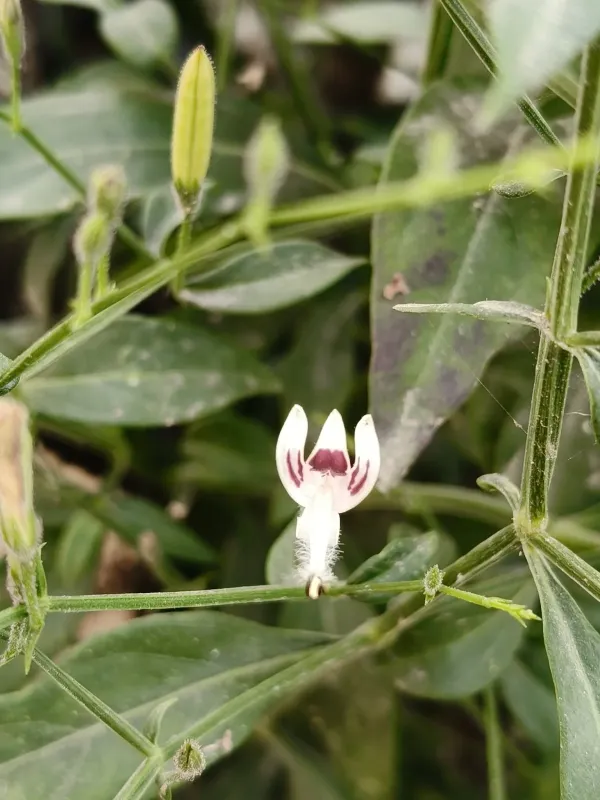
Description
Sowing dates
Andrographis paniculata is a warm-season annual crop that requires a tropical or subtropical climate for optimal development. In cooler regions, growers utilize greenhouse starting or nursery trays, sowing seeds in late winter to ensure plants are ready for outdoor transplanting as soon as frost risk passes.
Seeds are typically sown at a depth of about 0.5 to 1 centimeter in a well-draining seed-starting mix. Maintaining a consistent temperature between 22°C and 25°C is critical to achieving high germination rates, which usually occur within 10 to 14 days under proper moisture conditions.
Once seedlings reach approximately 15 centimeters in height and have developed several sets of true leaves, they are hardened off before field planting. Proper spacing of 45–60 centimeters between rows allows for adequate airflow and plant branching, which is essential for high biomass yield.
In direct-seeding scenarios, common in its native range, seeds are sown at the beginning of the rainy season. Early weed management is vital during the first few weeks, as the seedlings grow slowly and can be easily outcompeted by aggressive weeds if not properly maintained.
Mulching the soil surface around newly transplanted seedlings helps retain moisture and suppress early-stage weed growth. This practice is highly recommended for commercial-scale cultivation to reduce the labor-intensive requirements of manual weeding during the vegetative phase.
Growing requirements
This species, belonging to the Acanthaceae family, thrives in sunny locations with full exposure to daylight. While it can tolerate partial shade, maximum secondary metabolite production, specifically andrographolides, is achieved when the plants receive consistent solar radiation.
Andrographis prefers light, fertile, and well-drained loamy soils. It is highly sensitive to waterlogging, and planting in heavy clay soils that retain excess moisture often results in root rot and poor overall plant health, necessitating careful site selection or bed preparation.
Water requirements are moderate; however, regular irrigation is essential during prolonged dry spells to maintain leaf turgor and growth rates. Excessive irrigation should be avoided, especially during the later stages of maturity, as it may dilute the active compounds in the harvested material.
The optimal temperature range for this crop is between 25°C and 30°C. Development slows significantly at temperatures below 15°C, making the crop unsuitable for high-altitude or temperate climates without protected cultivation or short-season planning.
Soil fertility management should focus on balanced organic inputs. Incorporating compost before planting provides necessary nitrogen for initial leaf development, while later stage potassium application can assist in plant resilience and the synthesis of active pharmaceutical ingredients.
Main diseases and pests
The most significant disease threats to Andrographis paniculata are fungal infections, particularly those affecting the root system. Pythium and Rhizoctonia species are common soil-borne pathogens that can cause damping-off in seedlings and root decay in mature plants.
Leaf spot diseases, which manifest as dark necrotic patches, are frequently associated with high humidity and poor ventilation. Keeping the foliage dry and ensuring sufficient spacing between plants can significantly reduce the incidence of these fungal outbreaks.
Insect pests, including aphids and spider mites, are common nuisances that feed on the sap of tender leaves. Besides direct damage, these pests act as vectors for various plant viruses, which can lead to stunted growth and permanent damage to the crop.
Leaf-eating larvae may cause defoliation, requiring constant monitoring of the fields during the peak vegetative stage. In sustainable farming systems, the use of neem-based extracts or other biological control agents is preferred to protect the integrity of the medicinal harvest.
Adhering to a strict crop rotation cycle—avoiding sequences with other Acanthaceae or Solanaceae crops—is a fundamental practice for reducing pathogen load in the soil. Proper field hygiene, such as removing debris, is also recommended to prevent disease overwintering.
Harvesting
Harvesting for medicinal purposes is timed precisely to the period of peak active ingredient concentration, which occurs when the plants are in full bloom. This is usually 90 to 120 days after transplanting, depending on local environmental conditions and the specific cultivar.
Plants are cut at approximately 5–10 centimeters above the ground, allowing for potentially rapid regrowth if environmental conditions permit. The harvested biomass is then transported to a processing area for immediate cleaning and removal of debris.
Drying is a critical post-harvest step that should be conducted in well-ventilated, shaded facilities. Exposure to direct sunlight must be avoided, as UV rays can degrade the bioactive andrographolides that define the commercial value of the crop.
Mechanical drying can be utilized at temperatures not exceeding 40°C to ensure moisture levels drop to the required threshold for storage without losing volatile compounds. Properly dried material should be brittle enough for the stems to snap rather than bend.
Once dried, the raw material is packaged in paper bags or moisture-proof containers to prevent rehydration. Storage in a cool, dark, and dry environment is necessary to maintain the shelf life and potency of the plant material for up to two years.