
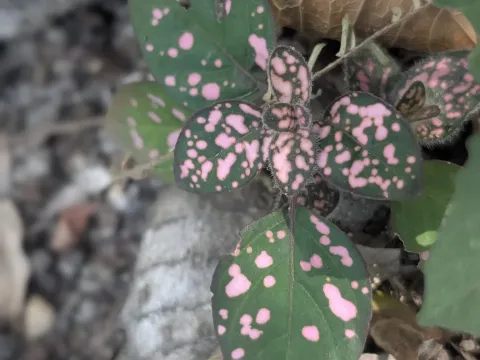
Hypoestes
Hypoestes
Propagation of Hypoestes is typically achieved through seeds or stem cuttings. For sowing seeds, the best period is late winter or early spring, as the daylight hours begin to increase significantly.
What the section contains


Hypoestes
Seeds should be sown in a light, well-draining substrate, covered only lightly with vermiculite or sand. Containers must be covered with plastic film to create a greenhouse effect and maintain high ambient humidity.
The optimal temperature for successful germination is around 22–24 degrees Celsius. Seedlings usually emerge within 10–14 days, at which point the cover should be removed gradually to acclimatize the young plants.
For vegetative propagation, use healthy apical cuttings about 10 centimeters long. Rooting can be done in water or directly in a moist substrate under a humidity dome.
Transplanting young seedlings to their final pots should be performed in the spring once the root system has fully developed and established within the initial container.
Hypoestes belongs to the Acanthaceae family and is native to the tropical regions of Madagascar and South Africa. The plant is highly demanding regarding light intensity; insufficient light causes the variegated foliage to lose its distinct coloration.
A loose, slightly acidic or neutral soil with excellent drainage is required for healthy growth. Waterlogging is detrimental to the roots, so a drainage layer of clay pebbles or broken ceramic is mandatory in pots.
The preferred temperature range for this crop is between 20 and 25 degrees Celsius. Hypoestes is highly sensitive to drafts and sudden temperature fluctuations, which often result in leaf drop.
Humidity is a critical factor in the plant's agrotechnics. In dry indoor climates, leaf tips often turn brown and crisp; therefore, regular misting or the use of room humidifiers is essential.
Fertilization is carried out during the active growing season (spring through summer) using balanced mineral fertilizers designed for ornamental foliage plants twice a month.
The main threats to Hypoestes include pests such as spider mites and whiteflies, which thrive in low-humidity environments and poor air circulation.
Fungal diseases, including root rot, are usually caused by systematic overwatering and poor drainage management. Correcting the watering schedule is the first step in managing these issues.
Powdery mildew can affect the plant in poorly ventilated areas, appearing as a white dusty coating on the leaves and severely impacting the plant's ornamental value.
To control pest infestations, systemic insecticides or acaricides should be used, applying them to the affected areas according to the manufacturer's specific instructions.
Effective disease prevention relies on maintaining a consistent watering regime, ensuring proper airflow around the plants, and performing regular inspections of the leaves for early signs of pests.