
Justicia anselliana
Justicia anselliana
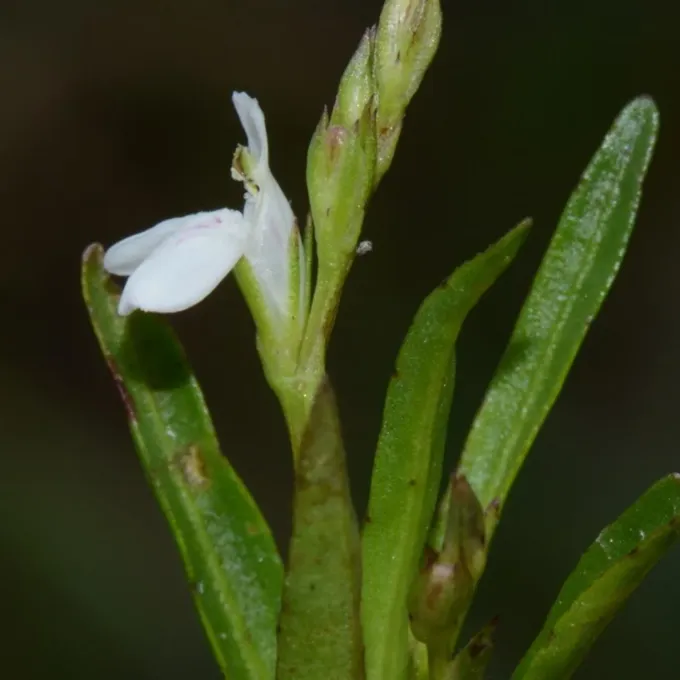
Description
Sowing dates
Justicia anselliana is a perennial herbaceous plant that requires careful attention during the propagation phase. The sowing process is typically carried out in early spring to leverage the increasing daylight, which is crucial for early development.
Seeds should be planted in a well-draining, lightweight substrate. It is essential to maintain a consistent humidity level and a soil temperature of 22-25 degrees Celsius, as this species is sensitive to temperature fluctuations during germination.
Vegetative propagation using stem cuttings is a common and efficient method in horticultural practice. Cuttings should be taken from healthy, mature plants and rooted in a sterile medium to ensure successful establishment.
Once seedlings have developed their first set of true leaves, they require transplanting into individual containers. This allows the root system to expand without competition and prepares the plant for growth in its final environment.
Proper scheduling of sowing and early-stage management ensures that the plants are vigorous and healthy, providing a strong foundation for their long-term cultivation and overall structural integrity.
Growing requirements
As a member of the Acanthaceae family, this species thrives best in environments that provide bright, indirect light. Direct exposure to intense sunlight can damage foliage, leading to scorched spots and reduced plant vitality.
The soil should be nutrient-rich and possess excellent aeration properties. Good drainage is non-negotiable, as waterlogged roots will quickly succumb to rot, a primary cause of failure when cultivating this specific crop.
Humidity requirements are significant, especially in indoor environments where heating systems can lower air moisture levels. Regular misting or the use of a humidifier can help maintain the lush appearance of the leaves.
The optimal temperature range for Justicia anselliana is between 18 and 26 degrees Celsius. Avoiding sudden temperature shifts and cold drafts is essential, as these conditions often lead to premature leaf drop and stunted growth.
Nutrient supplementation should be managed during the growing season. A balanced, liquid fertilizer applied every few weeks can promote steady growth and maintain the vibrant color of the foliage throughout the year.
Main diseases and pests
Common pests that affect this crop include spider mites and mealybugs. These organisms thrive in dry, stagnant conditions, making it vital to monitor plant health consistently to prevent an infestation.
Integrated pest management strategies should be employed to control these populations. Regular washing of foliage and ensuring adequate spacing between plants can significantly reduce the risk of pests settling on the crops.
Root rot is the most significant pathological threat to the health of the plants. It is typically caused by overwatering or soil that fails to drain efficiently, emphasizing the importance of monitoring moisture levels.
Fungal infections can also occur when environmental conditions are too humid with poor airflow. Improving ventilation is the most effective preventative measure against the development of powdery mildew and leaf spots.
Early identification of signs of stress is crucial for successful treatment. Removing affected plant parts and adjusting environmental variables quickly can often save the plant and prevent the spread of disease.