
Justicia carthaginensis
Justicia carthaginensis
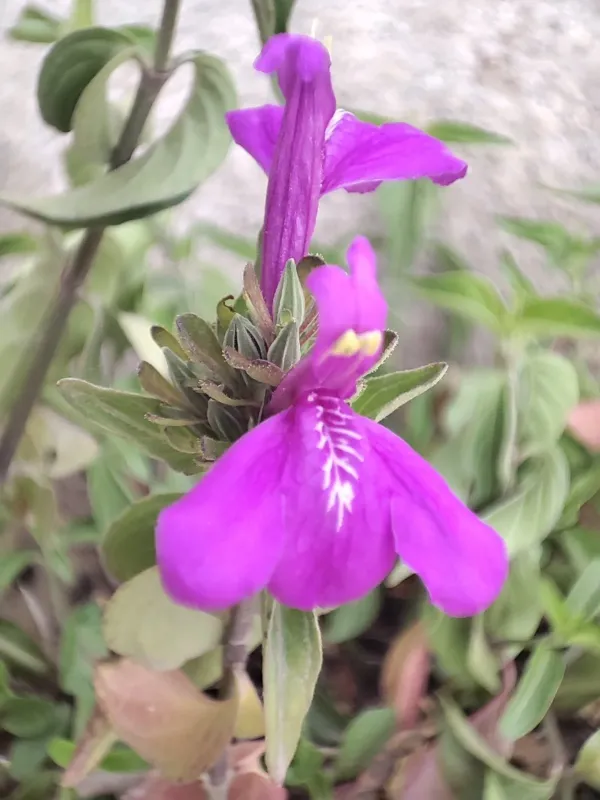
Description
Growing requirements
Justicia carthaginensis is a perennial shrub belonging to the Acanthaceae family. This species is widely recognized for its tropical origin, native to the Caribbean and South American regions, where it thrives in warm and humid ecological niches.
Botanically, the plant is characterized by its woody base and opposite leaves, often producing unique inflorescences that attract various pollinators. It is typically grown as an ornamental plant in conservatory settings or frost-free outdoor gardens.
Environmental requirements for this crop focus on maintaining a tropical climate. It demands consistent temperatures between 20°C and 28°C and performs poorly under temperatures below 10°C, which can cause significant physiological stress to the plant.
Soil composition should prioritize high organic matter content and excellent drainage. A mix that retains moisture while preventing waterlogging is ideal for healthy root development, especially during the peak growing season in summer months.
The plant requires bright, indirect light to maintain its optimal growth form. Exposure to intense afternoon sun can be detrimental, leading to leaf scorching, while low light conditions may cause the plant to become leggy and lose its characteristic foliage density.
Main diseases and pests
Spider mites are the most common pests affecting Justicia carthaginensis, particularly in indoor or greenhouse environments with low humidity. Regular misting and the use of insecticidal soaps can help manage mite populations effectively.
Whiteflies can also colonize the undersides of leaves, weakening the plant by extracting essential sap. Integrated pest management strategies, including the use of sticky traps and biological control agents, are recommended for long-term control.
Root rot pathogens, such as Phytophthora or Pythium species, pose a serious threat if irrigation management is poor. These diseases thrive in compacted or waterlogged soils, necessitating the use of high-quality substrate and proper drainage containers.
Powdery mildew may appear on the foliage if air circulation is insufficient or if the plant is kept in overly damp conditions. Pruning dense branches to improve airflow is a critical practice for disease prevention in this species.
Nutrient deficiencies, specifically chlorosis, can occur if soil pH is incorrectly balanced, preventing iron uptake. Proper soil testing and the application of balanced micronutrient fertilizers are essential for maintaining vibrant, healthy plant growth.