
Justicia nodosa
Justicia nodosa Hook
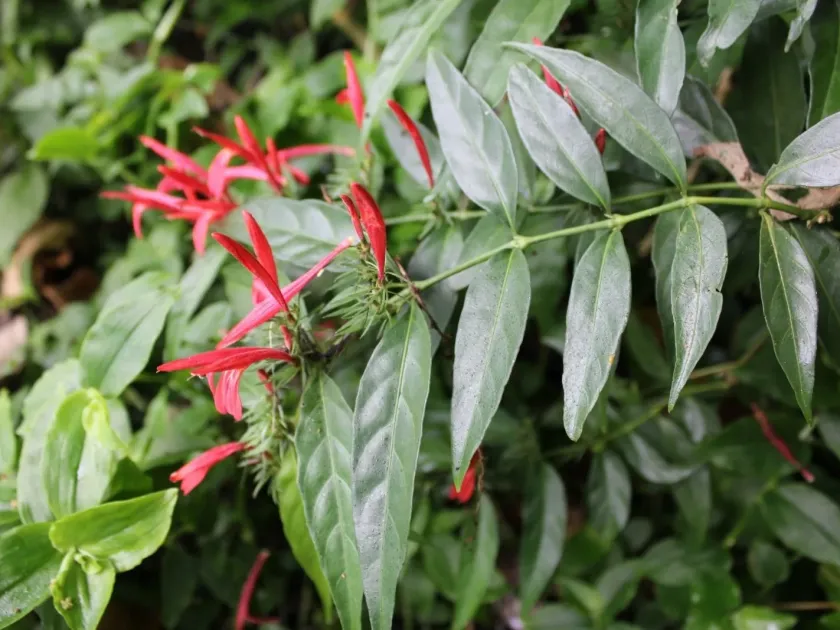
Description
Sowing dates
The cultivation of Justicia nodosa typically involves vegetative propagation via stem cuttings, which is the most reliable method for maintaining consistency.
Spring is the preferred time for propagating this plant, as the increased daylight and rising temperatures trigger vigorous growth in the parent stock.
Cuttings should be placed in a sterile, well-draining medium under controlled humidity to encourage rapid root development within 3 to 4 weeks.
Temperature management is critical during the initial propagation phase, with an ideal range between 22°C and 25°C to minimize stress on the cuttings.
Proper sanitation of tools and substrate is essential to prevent the entry of soil-borne pathogens during the critical stage of rooting.
Growing requirements
Justicia nodosa is a member of the Acanthaceae family, characterized by its tropical origin and preference for high humidity and consistent warmth.
The plant thrives in nutrient-rich, well-aerated soil compositions that allow for adequate moisture retention without causing waterlogging of the root zone.
Light requirements are met best by bright, indirect sunlight; excessive exposure to direct rays can lead to leaf scorching and loss of ornamental quality.
Agrotechnical practices involve consistent irrigation and seasonal fertilization using balanced liquid plant food to support lush foliage and potential blooming.
The species is sensitive to extreme temperature fluctuations and requires shelter from cold winds or frost, making it ideal for greenhouse or indoor culture.
Main diseases and pests
Common pests associated with Justicia nodosa include spider mites, mealybugs, and whiteflies, which proliferate in warm and dry indoor conditions.
Root rot is the most significant disease threat, often resulting from over-irrigation or the use of heavy, compacted soil types that lack air circulation.
Fungal leaf spots can occur if the humidity levels are kept too high without adequate ventilation, promoting the spread of airborne spores.
Integrated pest management strategies should focus on regular leaf inspection and the implementation of proper environmental controls to deter infestations.
If chemical intervention becomes necessary, the use of targeted systemic insecticides or horticultural oils is recommended to manage active pest populations.