
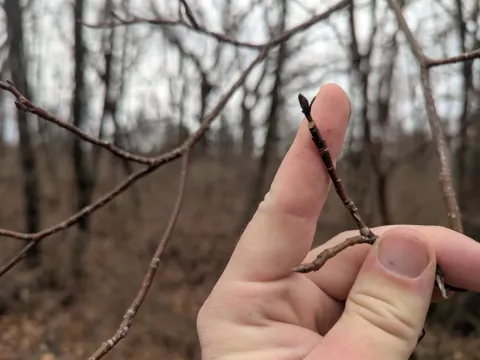
Pagoda dogwood
Cornus alternifolia L. f.
The Pagoda dogwood is a distinctive member of the Cornaceae family, renowned for its characteristic horizontal branching habit. Unlike many other dogwood species, it exhibits an alternate leaf arrangement, which gives it a unique structural appearance.
What the section contains
Pagoda dogwood
Native to eastern North America, this species thrives in woodland margins and riparian areas. It is adapted to temperate climates that provide consistent moisture and protection from harsh environmental stressors like high-speed winds.
For optimal growth, the species requires fertile, well-draining, slightly acidic soil. It performs best when organic matter is incorporated into the planting site to improve soil structure and moisture retention capabilities.
Light requirements are flexible, ranging from full sun in cooler northern regions to partial shade in warmer climates. Providing afternoon shade is often critical in regions with intense summer heat to prevent leaf scorching and desiccation.
Care practices should emphasize maintaining a consistent moisture level throughout the growing season. A layer of organic mulch around the base of the plant helps regulate soil temperature and suppresses weed competition.
Dogwood anthracnose is the primary disease concern for this species. It manifests as dark, irregular spots on leaves and can lead to branch dieback if not managed through proper sanitation and fungicide application.
Powdery mildew may occur in stagnant, humid environments. Ensuring proper spacing between plants is essential to promote good airflow, which is the most effective biological prevention strategy against fungal growth.
Pest issues include scale insects and aphids, which feed on plant sap and weaken overall vigor. Regular monitoring of the undersides of leaves and stems allows for early intervention with horticultural soaps or oils.
Root rot caused by Phytophthora species is a serious risk in poorly drained sites. It is imperative to avoid planting this tree in low-lying areas where water tends to pool after heavy rainfall, as the roots are highly sensitive to hypoxia.
Winter injury, particularly frost cracks on the trunk, can be mitigated by ensuring the tree is well-hydrated before the first hard freeze and applying reflective wraps if the tree is located in an area with high sun exposure during winter.