
Red osier dogwood
Cornus sericea L. subsp. sericea
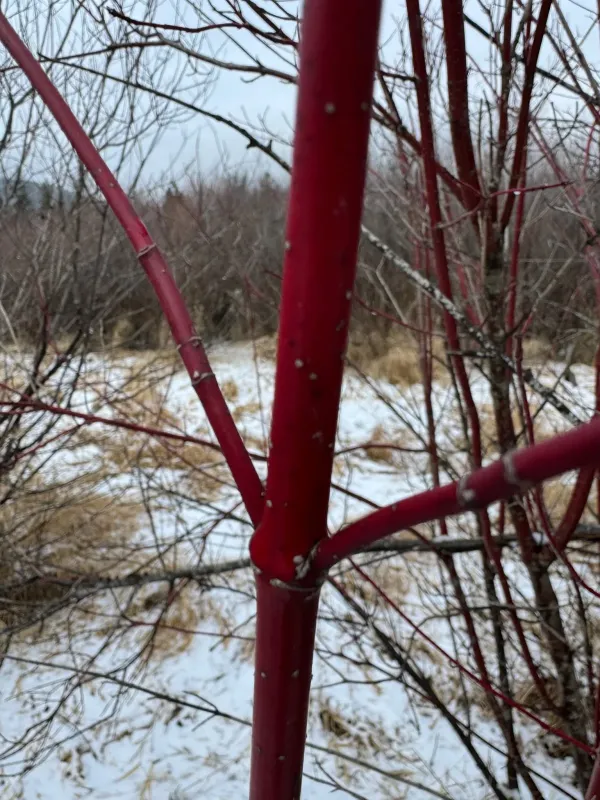
Description
Sowing dates
Propagation of the red osier dogwood is primarily achieved through stem cuttings, which ensures the consistency of desired ornamental traits. Cuttings are best harvested in early summer and placed in a rooting medium with high humidity.
For seed propagation, cold stratification is required for a period of several months. Seeds should be sown in autumn to allow for natural exposure to winter conditions, which significantly improves germination rates in spring.
When planting, ensure the site has enough space for the shrub to spread, as its root system is vigorous. For living hedges, individual plants should be spaced at least 60 to 90 centimeters apart.
Watering immediately after planting is crucial to establish the root system. Mulching around the base with organic material helps maintain soil moisture and reduces competition from weeds.
The best time for transplanting nursery stock is during the dormant season, either in early spring before leaf emergence or in late autumn after the foliage has dropped.
Growing requirements
Red osier dogwood, a member of the Cornaceae family, is a deciduous shrub native to North America. It is widely recognized for its bright red stems and adaptability to various environmental conditions.
The species thrives in moist, well-drained soils and is exceptionally tolerant of wet sites, including stream banks and low-lying areas. It performs best in full sun but can tolerate partial shade.
Soil pH preference is broad, ranging from slightly acidic to neutral. The plant is highly effective at preventing soil erosion due to its dense, fibrous root system and ability to form thickets.
Winter hardiness is one of its primary characteristics, making it suitable for cold climates where other decorative shrubs might struggle. It survives temperatures well below freezing without protection.
Maintenance involves routine pruning to encourage the growth of vibrant new stems. Since the most brilliant red coloration is found on younger wood, removing older, dull branches every few years is standard practice.
Main diseases and pests
Aphids are the most common pests affecting the foliage during the spring growth flush. If infestation levels are high, they can be controlled using horticultural oils or systemic insecticides.
Powdery mildew may appear on the leaves during periods of high humidity and poor air circulation. Improving spacing between plants is the most effective cultural method to prevent fungal outbreaks.
Leaf spot diseases, caused by various fungi, can occur during exceptionally wet seasons. Removing fallen debris from beneath the shrub helps reduce the prevalence of spores in the garden environment.
Scale insects can occasionally damage the bark; however, this is rarely fatal for healthy plants. Monitoring the stems during dormant pruning helps in the early detection and removal of infested wood.
Overall, the red osier dogwood is a robust species that seldom suffers from serious health issues. Most problems can be managed by maintaining good cultural practices and regular inspection.