
Callitris
Calytris
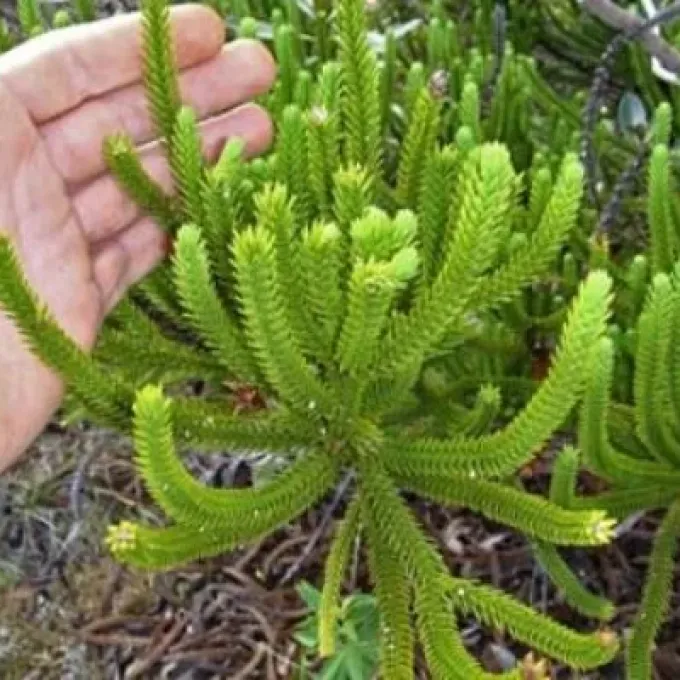
Description
Growing requirements
Callitris is a genus of coniferous trees and shrubs within the Cupressaceae family, commonly recognized as cypress pines, predominantly native to Australia and Tasmania.
This genus is highly regarded for its remarkable physiological adaptation to arid environments, characterized by hot summers and irregular precipitation patterns.
Cultivation requires sites with excellent soil drainage, as the species is highly susceptible to root diseases when water remains stagnant for extended periods.
Full solar exposure is a mandatory condition for successful growth; even partial shade can lead to crown thinning and a significant reduction in the tree's vigor and lifespan.
While mature trees are exceptionally hardy against drought and heat, juvenile plants require consistent moisture and moderate protection from severe frost during their establishment phase.
Yield
The economic importance of Callitris is primarily derived from its high-quality timber, which is renowned for its hardness, aesthetic grain, and natural resistance to termites.
Timber from this genus is widely utilized in architectural construction, high-end furniture manufacturing, and flooring, providing a sustainable alternative to slower-growing hardwoods.
Various species are also processed for their essential oils, which are distilled from the foliage and wood for use in the fragrance industry and traditional medicine.
The slow growth rate of the tree contributes to the superior density of the timber, making it a valuable resource for long-term forestry projects and reforestation efforts.
Strategic management of plantations, including thinning and weed control, ensures high yields of top-grade wood suitable for industrial and commercial interior applications.
Main diseases and pests
The primary threats to Callitris health involve soil-borne pathogens, specifically fungi that proliferate in poorly drained soils, potentially resulting in catastrophic root failure.
Defoliating insects can occasionally compromise the vitality of younger stands, necessitating routine monitoring and integrated pest management during the early growth stages.
Fire vulnerability is a significant concern for managed forests, given the flammable nature of the resinous needles and branches, which require strict fire management protocols.
Overcrowding in plantations serves as a catalyst for pest outbreaks and disease spread, emphasizing the need for professional spacing strategies during the planting process.
Proactive care, including the removal of dead or infected branches and maintaining optimal site sanitation, is essential for mitigating risks and ensuring the longevity of the trees.