
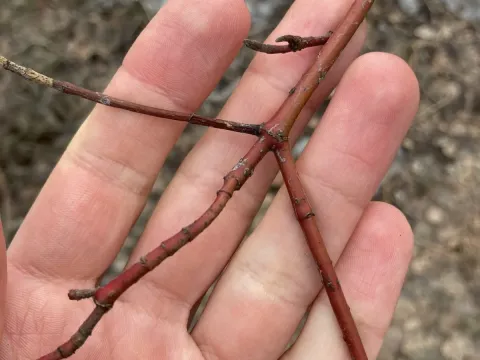
Hesse's dogwood
Cornus hessei
Hesse's dogwood (Cornus hessei) is a distinguished ornamental shrub belonging to the Cornaceae family. Known for its compact and elegant growth habit, it is a favored choice for gardeners seeking to add structure and foliage interest to their landscapes.
What the section contains
Hesse's dogwood
Originating from East Asian climates, this plant thrives in temperate zones. It requires moist, well-drained, and nutrient-rich soils. Ideally, the soil pH should be slightly acidic to neutral to ensure optimal nutrient uptake and robust development of the root system.
Regarding climatic requirements, the plant is relatively hardy once established. It performs best when planted in full sun to partial shade, as sufficient sunlight is crucial for maintaining the plant's natural shape and promoting the development of vibrant foliage density.
The agrotechnical management of this crop involves regular watering during dry spells and the application of balanced organic fertilizers in early spring. Pruning is essential to maintain its aesthetic appeal, typically performed in late winter or early spring before the buds begin to swell.
In terms of хозяйственное usage, Hesse's dogwood is highly valued in horticulture for landscaping. It is frequently employed in the creation of borders, low-maintenance hedging, and as a focal point in small residential gardens or larger park settings due to its controlled size.
Common plant health threats include fungal issues like powdery mildew, which can occur if the planting site lacks sufficient air circulation. Proper spacing during initial planting is the most effective preventative measure against these environmental pathogens.
Insect pests, including aphids and various scales, may occasionally infest the shrub. Regular monitoring of the foliage and stems allows for early intervention, often involving horticultural oils or specific insecticides to manage pest populations effectively.