
Elwin Orton dogwood
Cornus x elwinortonii T. Molnar & Struwe
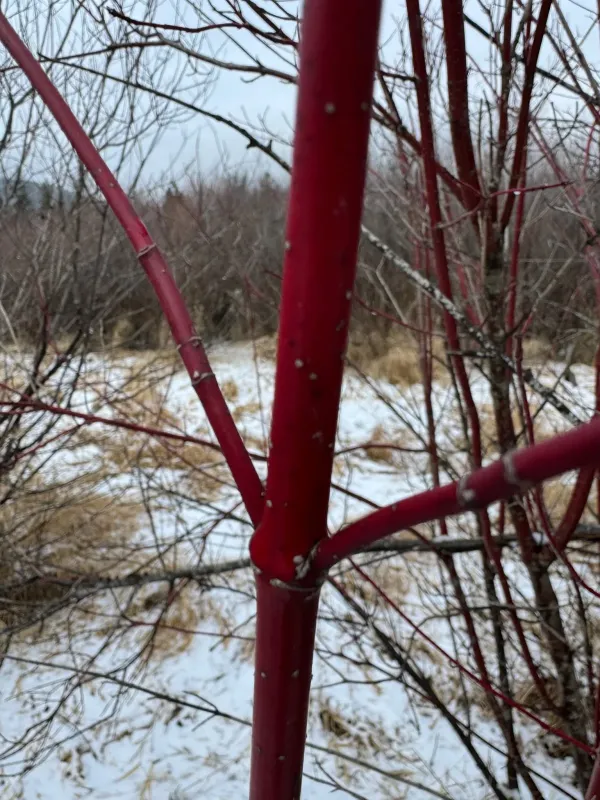
Description
Growing requirements
The Elwin Orton dogwood (Cornus x elwinortonii) is a remarkable interspecific hybrid derived from a cross between Cornus kousa and Cornus nuttallii. As a member of the Cornaceae family, it combines the best aesthetic and physiological traits of its parent species.
This shrub requires fertile, well-draining soil with a high organic matter content to thrive. It performs best in soils with a slightly acidic to neutral pH level, which facilitates the optimal uptake of essential plant nutrients.
Optimal site selection includes locations with full sun to partial shade, ensuring adequate air circulation to maintain plant health. Regular mulching of the root zone is a critical cultural practice to stabilize soil temperature and moisture levels.
The plant demonstrates moderate hardiness, although young specimens require protection against extreme temperature fluctuations during their initial years of growth. It is highly valued in horticulture for its vigorous growth and year-round ornamental appeal.
In landscaping, this cultivar is used as a standalone ornamental specimen or in mixed shrub borders. Its structural stability and visual impact make it a sought-after choice for public parks and private residential estates.
Main diseases and pests
A primary agronomic advantage of this specific hybrid is its genetically engineered resistance to dogwood anthracnose. This characteristic distinguishes it from many other susceptible dogwood cultivars, simplifying the plant protection program.
Despite its resistance, the plant can still be affected by powdery mildew if environmental conditions are overly humid with poor ventilation. Preventive pruning is highly recommended to maintain an open canopy structure.
Sap-sucking insects, such as aphids and scale insects, may pose a threat to young foliage and tender stems. Growers should monitor the plant regularly and utilize systemic insecticides or biological control agents as needed.
Root rot remains a risk if the soil remains waterlogged. Proper drainage installation and avoiding excessive irrigation are essential preventative measures to protect the integrity of the root system.
Maintaining high plant vigor through balanced fertilization and stress-free growing conditions remains the most effective defense strategy against potential biotic threats and environmental stressors.