
Cornus quinquenervis
Cornus quinquenervis
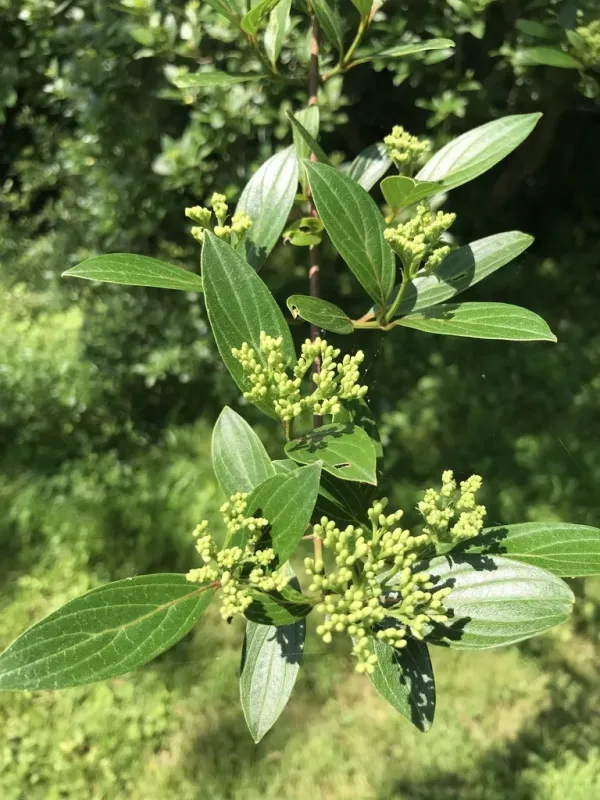
Description
Growing requirements
Cornus quinquenervis belongs to the Cornaceae family and is native to the temperate regions of China. This deciduous shrub is highly valued for its elegant leaf structure, characterized by its distinctive five-veined venation pattern, which gives the species its specific epithet.
The plant thrives in moist, well-drained, and nutrient-rich soils. While it exhibits tolerance to a variety of soil types, it performs best in slightly acidic to neutral substrates. Proper aeration of the root zone is crucial for preventing physiological stress.
Climatic requirements involve moderate temperatures and sufficient rainfall during the active growing season. While the species is hardy, protecting young plants from harsh winter winds and late spring frosts is recommended to ensure robust development of the canopy.
In terms of agricultural maintenance, pruning is necessary to maintain the desired shape and promote new growth. Regular removal of dead or crossing branches improves air circulation, which is vital for the overall health of the shrub throughout the year.
The species is primarily utilized for ornamental purposes in landscape design. Its adaptability to mixed plantings and its visual appeal make it a preferred choice for parks, gardens, and botanical collections requiring low-maintenance but high-aesthetic value shrubs.
Main diseases and pests
Cornus quinquenervis is susceptible to various fungal pathogens, including powdery mildew and leaf spot. These diseases typically manifest during periods of high humidity and insufficient air circulation, necessitating prompt attention to the spacing and canopy thinning.
Common insect pests include aphids and scale insects, which can cause significant damage to young leaves and stems. Integrated pest management strategies, focusing on early detection and natural predators, are highly recommended to keep infestations under control.
Root rot is a significant threat when soil drainage is poor or when excessive watering occurs. Maintaining a proper irrigation schedule is essential, as waterlogged conditions often lead to rapid deterioration of the root system and plant death.
Mechanical injuries to the bark can serve as entry points for pathogens and wood-boring insects. Ensuring that horticultural tools are clean and sharp when pruning will help prevent the spread of infections and facilitate quick healing of the plant tissue.
Nutritional stress can also weaken the plant, making it more vulnerable to secondary infections. Periodic application of balanced organic fertilizers helps maintain the vigor of the shrub, enabling it to better defend itself against environmental and biological threats.