
Hybrid Himalayan Dogwood
Cornus capitata Wall. x Cornus kousa Burger ex Hance
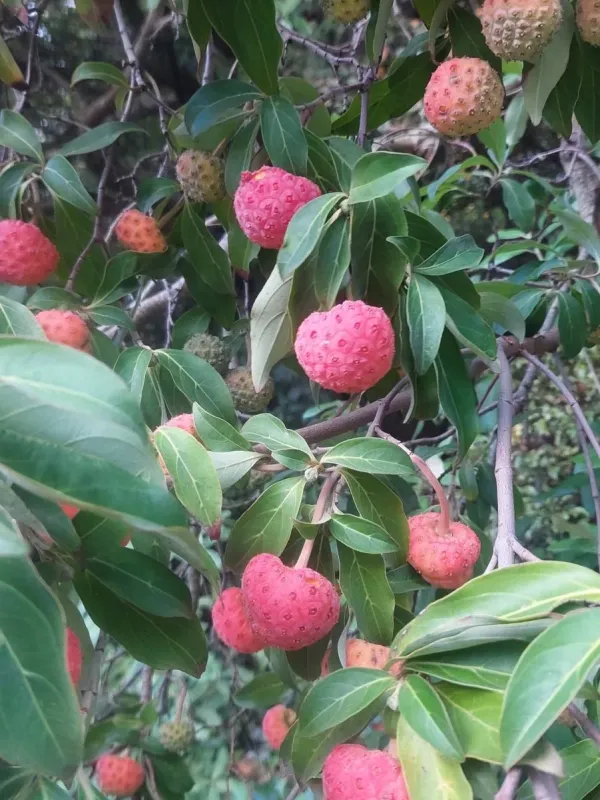
Description
Sowing dates
Propagation of this hybrid is primarily achieved through vegetative methods, such as softwood cuttings, which allow for the preservation of desired horticultural traits.
Seed propagation is possible but requires a lengthy cold stratification process. Seeds should be sown in a well-draining, nutrient-rich potting medium to facilitate uniform germination.
Grafting is commonly employed in nursery practice to ensure the resilience of the rootstock, performed typically during the early spring before active bud break.
When transplanting into the landscape, it is essential to ensure that the site provides adequate space for the plant to reach its full canopy potential.
Soil preparation before planting should involve amending the site with organic matter to improve aeration and moisture retention capacity for optimal root establishment.
Growing requirements
Hybrid Himalayan Dogwood belongs to the Cornaceae family and thrives best in temperate regions with mild winters, avoiding extreme temperature fluctuations.
The species requires soil with excellent drainage and a slightly acidic to neutral pH. It is highly intolerant of heavy, waterlogged clay soils that promote root decay.
Light requirements are best met in partial shade conditions. Protection from the intense afternoon sun is necessary to prevent leaf scorching and excessive moisture loss.
Consistent irrigation is critical, especially during the first few years of establishment. The soil should remain moist but never soggy to maintain plant vigor.
Fertilization with a balanced slow-release fertilizer in early spring helps promote healthy vegetative growth and enhances the flowering performance of the shrub.
Main diseases and pests
Anthracnose is the most significant pathological threat to this plant, often resulting in severe leaf spotting and twig dieback if left untreated.
Powdery mildew can infect the foliage during humid periods with limited air circulation. Pruning for structural openness is an effective cultural control method.
Pests such as aphids and scale insects are common. These suck sap from stems and leaves, potentially causing stunted growth and encouraging secondary issues like sooty mold.
Borer insects represent a hidden danger that can compromise the structural integrity of the woody stems, requiring vigilance and potential systemic treatment.
Regular sanitation, including the removal of infected plant debris, is fundamental to reducing the overall disease pressure within the nursery or garden environment.