
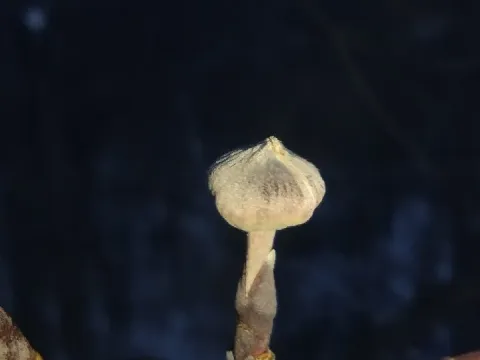
Flowering dogwood
Cornus florida L.
Propagation of Flowering dogwood via seeds is typically performed in autumn immediately after the fruits have ripened. Seeds require a mandatory stratification period of 3-4 months at cool temperatures to break embryo dormancy.
What the section contains
Flowering dogwood
In professional nursery production, vegetative propagation using softwood cuttings is more common. Green cuttings are taken in June or July and kept under high humidity with substrate temperatures around 20–22 degrees Celsius.
Seedlings with a closed root system can be transplanted to a permanent location throughout the growing season, though spring and autumn remain the preferred windows for establishment.
When planting, it is crucial to remember that this species has a shallow root system; therefore, applying mulch around the base is necessary to maintain soil moisture and protect the roots.
Adhering to proper spacing is vital for the tree's development. Mature specimens require a growing area of at least 3-4 square meters to allow the canopy to spread naturally and receive sufficient light.
Flowering dogwood thrives in fertile, well-drained, acidic to slightly acidic loams rich in organic matter. Waterlogging must be strictly avoided, as stagnant moisture quickly leads to root rot issues.
The plant prefers full sun to partial shade. In warmer regions, light afternoon shade is highly recommended to protect the delicate foliage from excessive heat and sun scorch during the hottest hours.
The optimal temperature range for active growth is between 18–25 degrees Celsius. The species has moderate cold hardiness, and in harsh winters, young specimens benefit from being wrapped in protective burlap or horticultural fleece.
Soil moisture requirements are high; during dry spells, the dogwood needs regular irrigation. Without adequate water, the floral bracts may be smaller, and the brilliant autumn foliage color will be less intense.
To sustain soil fertility, it is recommended to apply a balanced mineral fertilizer in early spring and incorporate organic mulch into the soil surface each autumn.
The most devastating disease for Flowering dogwood is dogwood anthracnose, caused by the fungus Discula destructiva. It manifests as dark spots on leaves, stems, and blossoms, potentially leading to the death of the tree.
Powdery mildew also frequently affects the crop, particularly under conditions of high humidity and poor air circulation within the canopy, appearing as a white powdery coating on leaves.
Regarding pests, leaf beetles and scale insects pose the greatest threat by sap-sucking. Regular inspection of the plant allows for the early detection and management of these pest populations.
Disease and pest control rely on the strategic use of systemic fungicides and insecticides, along with regular pruning to improve airflow and remove infected or dead wood.
- Prompt removal and disposal of fallen leaves in autumn to reduce disease inoculum.
- Focused root irrigation to ensure the foliage remains dry, discouraging fungal growth.
- Ongoing monitoring of tree bark for signs of insect infestation or borer damage.