
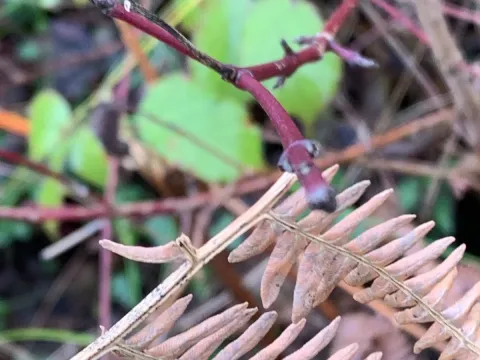
Common dogwood
Cornus sanguinea L.
Common dogwood (Cornus sanguinea L.) is a robust, deciduous shrub belonging to the Cornaceae family. Native to Europe and Western Asia, it is widely valued for its bright red stems that provide visual interest throughout the winter months.
What the section contains
Common dogwood
The species is highly versatile regarding soil types, performing best in fertile, well-drained soils that retain adequate moisture. While it thrives in full sun, it shows remarkable tolerance for partial shade, making it a reliable choice for understory plantings.
Agronomic management includes regular pruning to promote the growth of young, vividly colored stems. Without periodic rejuvenation, the shrub tends to become sparse and woody at the base, reducing its aesthetic and structural value.
Cultivation practices involve mulching to preserve soil moisture and suppress competition from weeds. Though drought-tolerant once established, supplemental irrigation during prolonged dry spells ensures vigorous growth and better overall health.
Beyond its ornamental appeal, the species is frequently utilized for environmental protection, including erosion control on slopes and the establishment of functional hedgerows that support local biodiversity.
Powdery mildew is a common fungal issue that affects foliage, particularly in humid or stagnant air conditions. Managing plant density through careful spacing and pruning is the primary method of preventing infection outbreaks.
Aphids represent the most significant insect threat, primarily attacking tender new growth in the spring. Integrated pest management strategies, including the use of horticultural soaps or systemic insecticides, are effective in controlling infestations.
Leaf spot pathogens can degrade the appearance of the foliage during the late summer. Effective control includes the sanitation of the planting site, which involves the removal and proper disposal of fallen, infected leaves.
Root rot, often associated with poorly drained soils, can lead to plant decline. Ensuring that the site is well-drained during the initial planting phase is critical for the long-term success of the dogwood shrub.
Regular monitoring and rapid intervention are essential to maintain the vigor of the plants. Avoiding overhead irrigation can also reduce the likelihood of leaf-borne fungal diseases by keeping the foliage dry.