
Chinese Kousa Dogwood
Cornus kousa Hance subsp. chinensis (Osborn) Q. Y. Xiang
Description
Sowing dates
Sowing of Chinese Kousa Dogwood seeds is carried out in autumn immediately after harvesting the fruits, as the seeds require mandatory long-term stratification.
The optimal temperature range for the stratification process is between +1 and +5 degrees Celsius for a period of 3 to 4 months.
When sowing in the spring, germination rates decrease significantly, therefore it is recommended to use freshly harvested material sown in prepared seedbeds or containers.
The depth of seed burial in the substrate should be approximately 1–2 centimeters to ensure optimal contact with the moist environment.
For commercial propagation, the vegetative method is more commonly used, specifically softwood cuttings during the summer with the application of rooting hormones.
Growing requirements
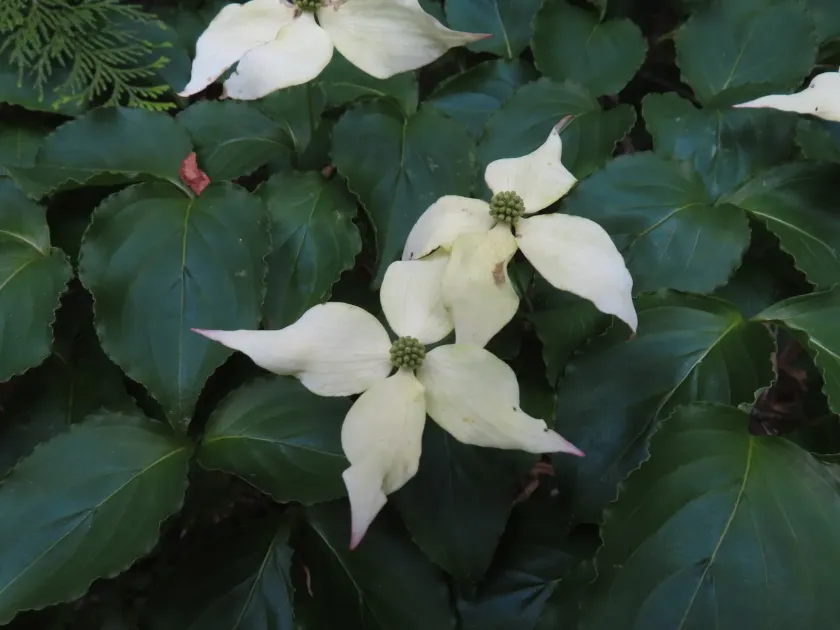
Chinese Kousa Dogwood is a deciduous tree or large shrub belonging to the Cornaceae family, native to the mountain forests of China.
The plant prefers fertile, well-drained acidic or neutral soils rich in humus and organic matter.
The crop requires protection from strong cold winds and prefers semi-shaded or sunny locations with sufficient moisture throughout the summer season.
An optimal pH level for healthy root system development is in the range of 5.5 to 6.5, which helps prevent leaf chlorosis.
Despite good adaptability, the plant tolerates stagnant moisture and heavy clay soils poorly, requiring the creation of a high-quality drainage layer during planting.
Main diseases and pests
The most dangerous disease for the crop is leaf spot, caused by fungi of the Septoria genus, which leads to premature defoliation.
In conditions of high humidity and poor air circulation, the tree is susceptible to powdery mildew, which requires timely fungicidal treatment.
Dogwood anthracnose, caused by Discula destructiva, is considered a major threat, affecting shoots, leaves, and fruits, which may lead to plant death.
Among pests, aphids and scale insects cause the most damage by sucking juices from young shoots and weakening the tree's overall condition.
To combat diseases, it is recommended to follow sanitary rules: timely removal of infected branches and autumn cleaning of fallen leaves from beneath the canopy.