
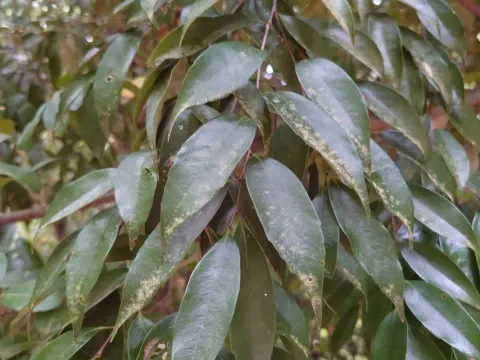
Castanopsis sieboldii
Castanopsis sieboldii
Castanopsis sieboldii is an evergreen tree species belonging to the Fagaceae family. It is native to the warm-temperate and subtropical regions of East Asia, including Japan and the Korean Peninsula.
What the section contains
Castanopsis sieboldii
This species thrives in deep, fertile, and well-drained soils. It exhibits a preference for acidic to neutral soil environments and requires protection from extreme cold or strong desiccating winds.
In terms of climate, the tree prefers regions with high annual rainfall and moderate temperatures. It is notably shade-tolerant, making it an excellent candidate for forest regeneration projects.
Agronomic management involves maintaining soil moisture during the establishment phase and ensuring adequate organic matter incorporation. Young saplings require care to survive the initial stages of growth.
Proper spacing is crucial when planting Castanopsis sieboldii in orchards or timber plantations to allow for the significant crown spread and height development of the mature trees.
The primary agricultural output of this species consists of its edible nuts. These are gathered after the woody burrs open naturally, providing a starchy food source often used in traditional cooking.
The timber of Castanopsis sieboldii is highly valued for its durability and hardness. It is frequently utilized in construction, furniture manufacturing, and the production of wooden tool handles.
Beyond its tangible yields, the tree provides significant ecosystem services, including soil stabilization on steep slopes and the provision of habitat for diverse local wildlife.
The aesthetic value of the tree is substantial, leading to its widespread use in landscape architecture and urban forestry to create dense, long-lasting green barriers.
- High-quality, durable timber for heavy use.
- Nutritious nuts used in food production.
- Effective erosion control on hilly terrain.
Root rot caused by stagnant water is a significant threat to the health of the plantation. Ensuring high soil porosity is the primary method of preventing this fungal issue.
Nut-boring insects present a challenge during the reproductive stage. Integrated pest management strategies are often required to maintain the quality of the harvested produce.
Leaf-feeding pests can negatively impact the decorative appeal of the tree. Regular monitoring during the spring and summer months is recommended for early detection.
Nutrient deficiency may manifest as chlorosis on the leaves, which inhibits the tree’s photosynthetic capacity and slows overall growth rates during the active season.
Abiotic stresses such as prolonged drought or extreme unseasonal temperature fluctuations can impact the tree’s resilience, necessitating supplemental irrigation and careful ground covering.