
Hybrid Dogwood
Cornus hongkongensis x Cornus kousa
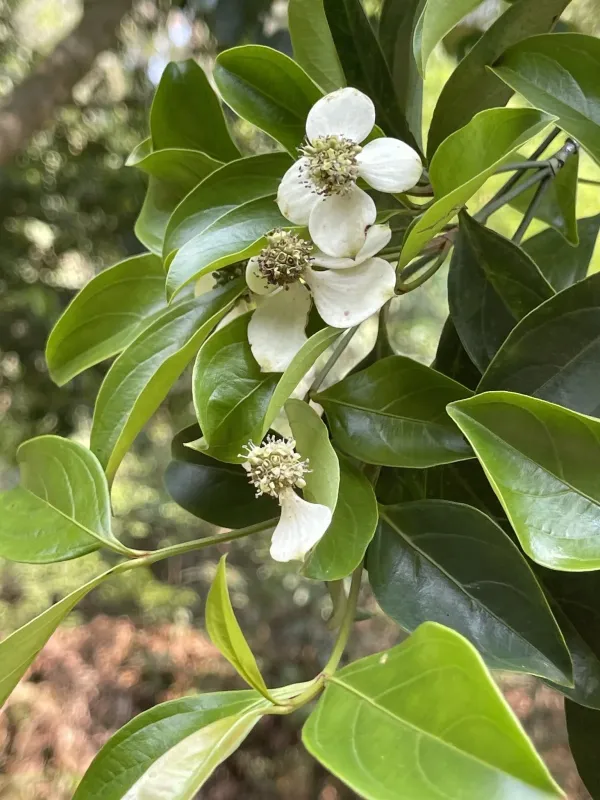
Description
Growing requirements
The hybrid dogwood, derived from Cornus hongkongensis and Cornus kousa, belongs to the Cornaceae family. This ornamental shrub is highly prized for its unique foliage and striking floral bracts, which represent a significant breeding achievement.
For optimal growth, this plant requires well-drained, nutrient-rich soil with a slightly acidic to neutral pH. It is crucial to ensure that the site has sufficient organic matter to maintain soil structure and promote healthy root development.
The climate requirements include moderate temperatures, as the plant thrives best in areas with protection from scorching afternoon sun and drying winds. Partial shade is generally the preferred exposure, particularly in warmer, southern temperate zones.
Standard agrotechnical practices for this hybrid involve consistent moisture management. Because dogwoods have relatively shallow, fibrous root systems, they are prone to stress during dry spells and benefit significantly from a layer of organic mulch.
In terms of usage, the hybrid dogwood is an excellent specimen for residential and commercial landscapes. It is typically used as a focal point or in mixed shrub borders, adding seasonal interest throughout the year thanks to its durable foliage and flowers.
Main diseases and pests
Dogwood anthracnose is the most significant disease affecting the genus, often appearing as necrotic spots on leaves. Maintaining good air circulation within the canopy is the primary preventive measure to keep the foliage dry and reduce fungal development.
Powdery mildew may occur during periods of high humidity and heat stress. It manifests as a white, powdery coating on leaves, which can be managed by applying appropriate fungicides and removing heavily infected plant parts.
Insect pests such as scale insects and dogwood borers can cause physical damage to stems and branches. Regular inspection of the bark is essential to detect early infestations before they lead to structural damage to the shrub.
Root rot caused by Phytophthora species is a serious concern, especially if the soil drainage is inadequate. Ensuring that the planting site provides proper water runoff is the most effective way to avoid this fatal condition.
To ensure plant health, regular application of balanced fertilizers during the early growing season is recommended. Integrated pest management, focusing on early detection and physical barriers, is preferred over chemical treatments where possible.