
Silky dogwood
Cornus amomum Mill. subsp. obliqua (Raf.) J. S. Wilson
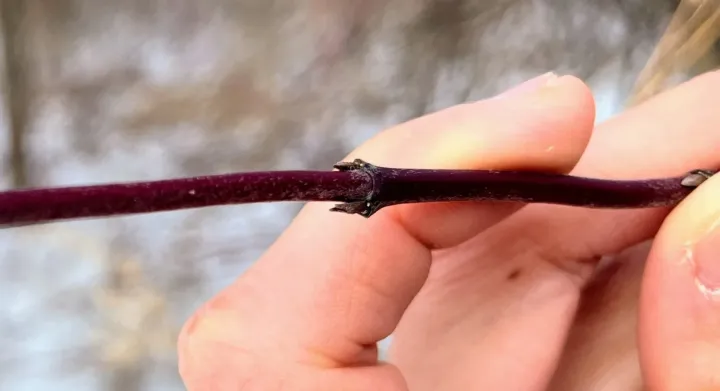
Description
Growing requirements
Silky dogwood (Cornus obliqua) is a deciduous shrub belonging to the Cornaceae family. Native to North America, it is widely recognized for its ecological utility and hardiness, making it an excellent choice for environmental restoration projects and landscaping.
This species is highly adaptable to various soil conditions, provided they are sufficiently moist. In its natural habitat, it is commonly found in wetlands, riparian zones, and moist meadows, which highlights its strong preference for consistent soil moisture throughout the growing season.
Silky dogwood thrives in full sun to partial shade. While it is tolerant of diverse light conditions, consistent exposure to sunlight encourages denser growth and more prolific flowering, which is essential for its role as a nectar source for local pollinators.
Soil requirements involve well-drained but moisture-retentive substrates. Although it can withstand short periods of flooding, it performs best in soils rich in organic matter. Soil pH can range from slightly acidic to neutral for optimal nutrient uptake and general plant health.
The shrub is primarily utilized for erosion control along riverbanks and slopes due to its fibrous and extensive root system. Beyond its functional role, it provides valuable wildlife habitat, with its fruits serving as a primary food source for various bird species during the autumn migration period.
Main diseases and pests
Powdery mildew is the most common fungal disease affecting Silky dogwood. It typically appears during periods of high humidity, particularly when air circulation is restricted due to dense foliage or improper pruning practices.
Leaf spot infections may occur under prolonged rainy conditions, leading to cosmetic damage and premature leaf drop. Removing fallen debris from the base of the plant is a critical cultural practice to reduce fungal spore pressure.
Aphids represent a frequent insect threat, often congregating on the undersides of new leaves. They extract sap, which can cause leaf curling and attract sooty mold if honeydew accumulates on the surface of the plant.
Scale insects can occasionally infest the stems, appearing as small bumps. They can significantly weaken the shrub if left untreated, necessitating the use of horticultural oils or systemic insecticides during the dormant season.
Integrated pest management strategies for Cornus obliqua should prioritize preventative measures:
- ensuring adequate space between plants;
- pruning to improve canopy airflow;
- monitoring for early signs of infestation to avoid chemical application.