
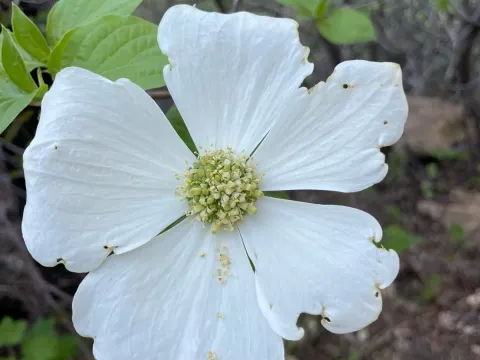
Pacific Dogwood
Cornus nuttallii Audubon
Pacific Dogwood (Cornus nuttallii) is a deciduous tree belonging to the Cornaceae family, native to the western regions of North America. It is widely recognized for its stunning spring display, characterized by large, showy bracts that surround the inconspicuous true flowers.
What the section contains
Pacific Dogwood
The tree thrives in well-draining, fertile, and slightly acidic soils. Unlike some other dogwood species, it requires careful moisture management; the roots must remain consistently moist but are extremely intolerant to waterlogged or boggy soil conditions.
In terms of climate, the Pacific Dogwood prefers areas with cool, mild summers and shelter from extreme weather patterns, including drying winds. Partial shade is often the ideal exposure, as it mimics the tree's natural forest-edge habitat.
The primary use of this species is ornamental. It is highly valued in landscape architecture for its aesthetic appeal, contributing to gardens and parks during the spring blooming season and providing vibrant leaf color during the autumn months.
Good agricultural practices for this tree involve maintaining a thick layer of organic mulch around the root zone. This practice prevents soil temperature fluctuations and preserves moisture, which is essential for the tree's long-term vitality and resistance to environmental stress.
The most significant pathological threat to the Pacific Dogwood is the dogwood anthracnose caused by the fungus Discula destructiva. This disease is highly aggressive and can cause severe canopy dieback and tree mortality if left untreated.
Effective management against anthracnose relies on strict sanitation protocols. It is essential to prune and remove infected branches immediately, ensuring all garden tools are sanitized to prevent the mechanical transmission of fungal spores.
Pest issues often include soft scales and aphids, which feed on the sap of the tree. These pests can significantly weaken the overall vigor of the dogwood, leading to stunted growth and increased susceptibility to secondary infections.
Monitoring the tree for signs of insect infestation during the early growing season is crucial. Integrated pest management strategies that favor beneficial insects and targeted treatments are preferred to maintain the tree's health without disrupting the local ecosystem.
Poor soil aeration and root rot constitute major non-infectious threats to the Pacific Dogwood. Gardeners must ensure that the planting site provides adequate drainage to prevent physiological stress, which often precedes the onset of opportunistic diseases.