
Giant dogwood
Cornus controversa Hemsl.
Description
Growing requirements
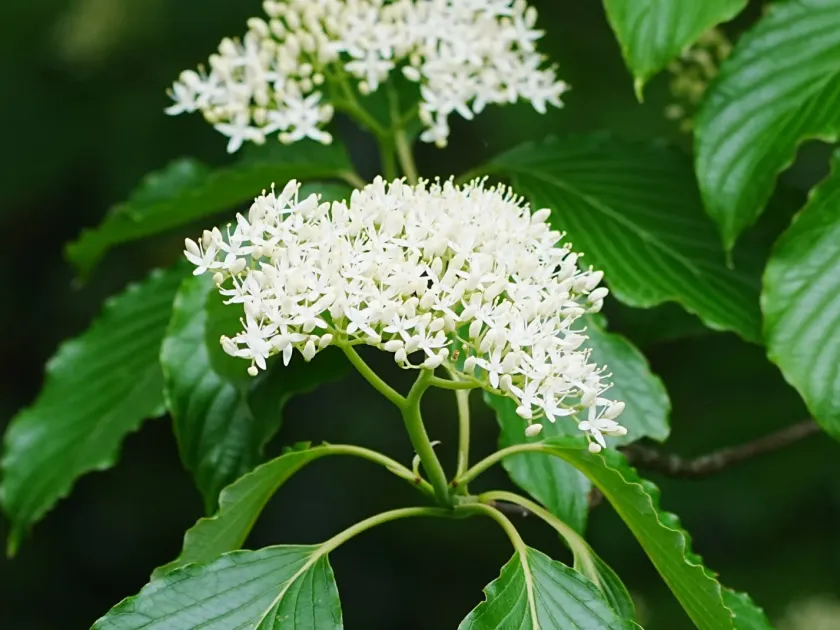
The Giant dogwood (Cornus controversa) is an ornamental deciduous tree belonging to the Cornaceae family. It is widely celebrated in landscaping for its distinctive tiered, horizontal branches that form a unique, wide-spreading canopy often compared to a candelabra.
Originating from East Asia, including China, Japan, and the Himalayas, this species thrives in temperate climates. It serves primarily as a specimen plant, providing a sophisticated architectural element in gardens and parks due to its methodical growth habit.
The species requires fertile, humus-rich, and well-drained soil. A neutral to slightly acidic pH is ideal for nutrient absorption. It is essential to ensure that the site does not have standing water, as the roots are susceptible to rot under poorly drained conditions.
In terms of light, the tree prefers a position in partial shade or dappled sunlight. While it can tolerate more exposure in cooler northern climates, in warmer zones, protection from harsh afternoon sun is necessary to prevent foliage scorch.
Consistency in moisture is key to the health of Cornus controversa. During the first few years after planting, regular irrigation is vital to establish a strong root system, and organic mulch should be applied to stabilize soil temperatures.
Main diseases and pests
Anthracnose is the most critical fungal threat to the Giant dogwood, often causing leaf spots and twig dieback. To prevent this, ensure proper air circulation through the canopy and avoid overhead irrigation that keeps the leaves wet for long periods.
Scale insects and mealybugs are common pests that may infest the bark and leaves. These pests weaken the plant by extracting sap, so periodic inspections are advised, followed by manual removal or appropriate horticultural oil treatments if necessary.
Root rot caused by Phytophthora species remains a significant danger when soil moisture is uncontrolled. If the tree displays yellowing foliage and stunted growth, the drainage system must be evaluated and corrected immediately to save the plant.
Powdery mildew may develop during periods of high humidity and poor air circulation. It typically appears as a white, dusty coating on the leaves, which can be mitigated by ensuring the tree is not overcrowded by other vegetation.
Winter damage is a potential risk for younger or newly planted trees in colder hardiness zones. Protecting the root zone with thick layers of mulch and shielding the main trunk from heavy snow accumulation can prevent tissue damage.