
Redosier dogwood
Cornus sericea L.
Description
Growing requirements
Redosier dogwood (Cornus sericea L.) is a deciduous shrub belonging to the Cornaceae family. Native to North America, it is widely recognized for its preference for moist environments, naturally inhabiting riverbanks, wetlands, and low-lying areas.
This species is characterized by its high winter hardiness and versatility, allowing it to thrive in diverse soil conditions, including heavy clays. Its natural habitat near water makes it an ideal candidate for erosion control in landscape projects.
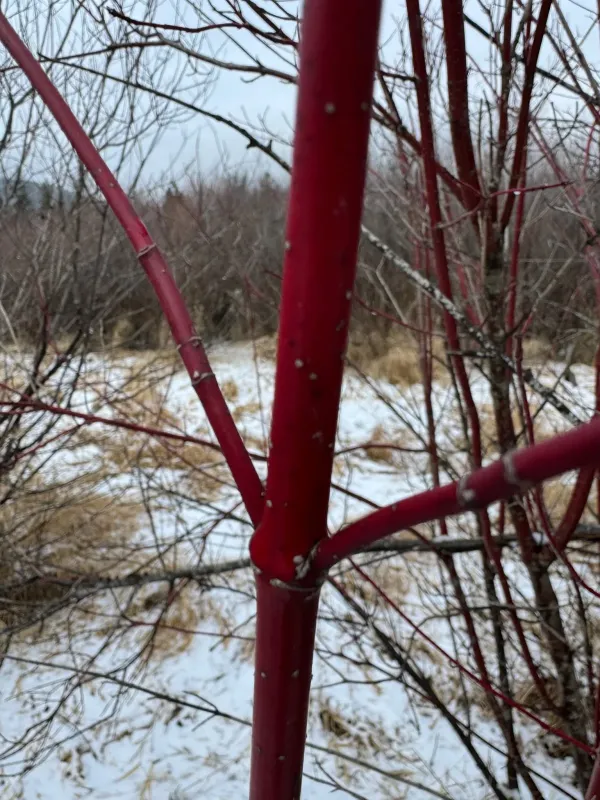
For best results, the shrub should be planted in full sun to maximize the brilliant red color of its stems, which serves as a major decorative feature throughout the winter season. While it tolerates partial shade, excessive shade often reduces the vigor of the plant.
Good agricultural practice for this shrub includes regular pruning to stimulate the growth of new stems. Older branches tend to lose their color intensity, so cutting back older growth is essential for maintaining the visual appeal of the planting.
Propagation is typically performed via hardwood or softwood cuttings and layering. These methods ensure that the offspring maintain the desirable ornamental characteristics of the parent plant.
Main diseases and pests
While the redosier dogwood is generally robust, it may be susceptible to fungal issues such as powdery mildew, especially in environments with poor air circulation or high humidity levels.
Leaf spot diseases can also occur during prolonged wet spells. Proper site selection and avoiding overcrowding are the best preventative measures to keep the foliage healthy and vigorous throughout the season.
Common pests associated with this plant include aphids and scale insects. These pests feed on the succulent parts of the stems and leaves, potentially causing stunted growth in younger specimens.
Integrated pest management, including regular inspection of leaves and stems, allows for early detection and control before infestations become severe.
Proper fertilization and consistent soil moisture management significantly contribute to the overall health and pest resistance of the shrub in various garden landscapes.