
Rutgers Dogwood
Cornus x rutgersensis T. Molnar & Struwe
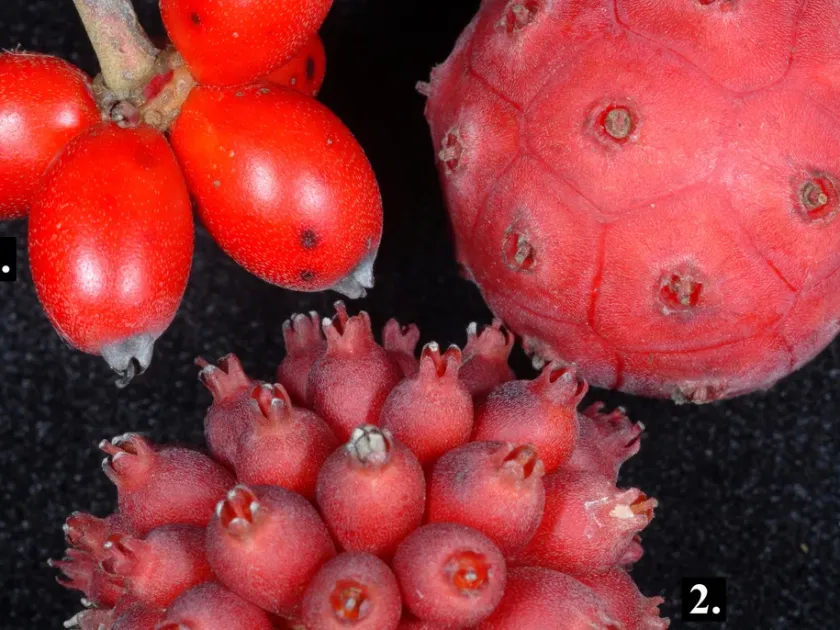
Description
Growing requirements
Rutgers Dogwood (Cornus x rutgersensis) is an interspecific hybrid resulting from a cross between Cornus florida and Cornus kousa. It belongs to the Cornaceae family and was developed at Rutgers University specifically to improve vigor and disease resistance.
This species thrives in locations with full sun to partial shade. The ideal growing medium is rich, well-draining soil with a slightly acidic pH level. Proper site selection is crucial, as the plant does not tolerate waterlogged soils, which can lead to root system decay.
Regarding climate, this hybrid is well-adapted to USDA zones 5 through 8. It exhibits improved cold hardiness compared to its parents, making it a reliable choice for landscaping in regions with distinct seasonal temperature changes.
Agronomic management involves maintaining consistent soil moisture during the first few growing seasons. Applying a balanced fertilizer in the early spring promotes healthy foliage development and vigorous blooming. Mulching around the base helps retain moisture and regulate soil temperature.
The primary horticultural application of this tree is ornamental landscaping. It is highly valued as a specimen tree in gardens, parks, and residential landscapes due to its spectacular, long-lasting bracts that provide significant aesthetic appeal.
Main diseases and pests
The most significant disease challenge is dogwood anthracnose, a fungal pathogen. While this hybrid was bred specifically to offer better resistance than Cornus florida, maintaining proper airflow and avoiding overhead irrigation can further minimize the risk of infection.
Common pests that may affect the tree include scale insects and dogwood borers. Effective pest control involves regular inspections and the application of horticultural oils or systemic insecticides if infestations are detected early in the season.