
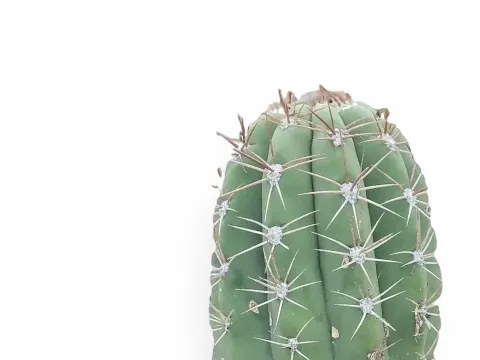
Leucostele
Leucostele
Leucostele is a genus of succulent plants within the Cactaceae family, native to the arid regions of South America. These plants are known for their distinct columnar structure and adaptation to harsh, high-altitude or desert environments in countries like Chile and Argentina.
What the section contains
 Leucostele atacamensis
Leucostele atacamensis
Leucostele atacamensis
 Leucostele chiloensis
Leucostele chiloensis
Leucostele chiloensis
 Leucostele deserticola
Leucostele deserticola
Leucostele deserticola
 Leucostele nigripilis
Leucostele nigripilis
Leucostele nigripilis
 Leucostele skottsbergii
Leucostele skottsbergii
Leucostele skottsbergii
 Leucostele terscheckii
Leucostele terscheckii
Leucostele terscheckii
 Leucostele tunariensis
Leucostele tunariensis
Leucostele tunariensis
 Leucostele werdermanniana
Leucostele werdermanniana
Leucostele werdermanniana
Leucostele
Botanically, they exhibit prominent ribs adorned with robust spines. These adaptations allow the plant to withstand intense UV radiation and effectively manage water retention throughout the long periods of drought typical of their natural habitat.
The primary requirement for successful cultivation is intense, direct sunlight. When grown under cover or in greenhouses, the plants must be placed in the brightest possible position to maintain their characteristic dense structure and spine development.
Soil composition should strictly mimic their natural rocky environment. A mix featuring coarse grit, perlite, and a small amount of mineral-rich organic matter ensures the rapid drainage necessary to prevent root rot during the growing season.
Temperature management is critical; while they enjoy warmth in the summer, they require a cooling period during winter (between 5 and 10 degrees Celsius) to initiate the physiological processes necessary for future flowering.
The most significant threat to Leucostele is root rot caused by improper watering and poor soil aeration. If the soil remains saturated for extended periods, the plant's vascular system becomes vulnerable to decay.
Pests commonly associated with this genus include spider mites and mealybugs. These organisms can cause scarring on the epidermis and significantly weaken the plant's structural integrity if left untreated.
Biological and chemical control methods should be employed at the first sign of an infestation. It is recommended to use systemic insecticides that do not leave residue on the delicate waxy coating of the cactus stem.
Fungal infections can also occur in environments with high humidity and stagnant air. Implementing adequate ventilation is essential to keep the surface of the plant dry and prevent the spread of powdery mildew or other surface molds.
Routine inspection of the base of the plant is vital to detect early signs of stress or pest colonization, allowing for prompt corrective action before the damage becomes irreversible.