
Leucostele deserticola
Leucostele deserticola
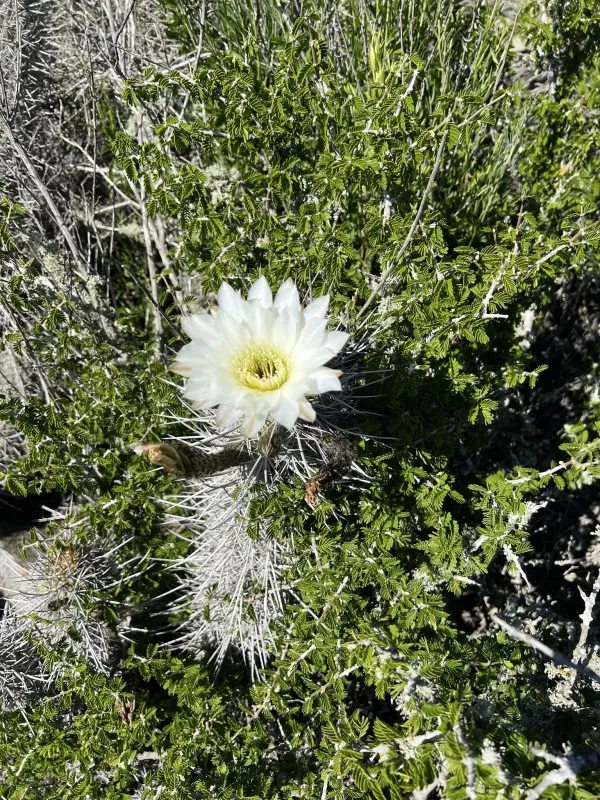
Description
Sowing dates
Sowing seeds of Leucostele deserticola is best performed during the early spring months. This timing aligns with natural growth cycles, ensuring that seedlings receive optimal light levels as they begin to develop their initial structure during the longer days.
The seeds should be sown on the surface of a porous, mineral-based substrate. It is vital not to bury the seeds too deeply, as they require a certain amount of light to trigger germination and need to remain in contact with the moisture-retaining surface layer.
Temperature control is crucial during the germination phase, with an ideal range of 22 to 26 degrees Celsius. Maintaining consistent temperatures helps prevent fungal outbreaks, which are the most common cause of failure in cactus seed starting.
Once seedlings emerge, they require high humidity under a protective cover, which should be gradually removed over several weeks. This hardening process helps the young plants adapt to the drier atmospheric conditions typical of their mature environment.
Seedlings remain in the initial container for several months until they develop enough spine density to be handled. At this stage, they are transplanted into individual pots with high-drainage media to promote stronger root system development.
Growing requirements
Leucostele deserticola is a member of the Cactaceae family, native to the arid landscapes of Chile. This plant is evolutionary specialized to survive in extreme desert conditions characterized by infrequent rainfall and high solar radiation.
The cultivation medium must be highly porous and inorganic. A professional mix should consist of coarse sand, perlite, and small gravel, with very little organic matter, ensuring that water passes through the pot almost immediately without lingering.
Irrigation must follow a strict cycle: water only when the substrate is completely dehydrated. In winter, the plant enters a dormant phase where water should be withheld almost entirely to avoid root rot and stimulate future blooming potential.
This species requires full sun exposure to maintain its compact growth and healthy spine formation. In glasshouse environments, adequate air circulation is mandatory to prevent heat stress and manage the evaporation rates around the plant body.
Temperature requirements involve a warm growing season and a cool dormancy period ranging between 8 and 12 degrees Celsius. Proper cooling during the winter months is essential for the plant to reset its metabolism and prepare for the next growth cycle.
Main diseases and pests
Root rot caused by overwatering or poorly drained soil is the primary threat to the health of Leucostele deserticola. Once a fungal infection takes hold, it often spreads through the vascular system, making recovery difficult if not caught early.
Mealybugs are frequent pests that nestle deep within the areoles and between the cactus ribs. Their presence is often marked by a white, cottony substance, and they can be managed with systemic insecticides or topical applications of isopropyl alcohol.
Spider mites are common in low-humidity environments, feeding on the epidermis and causing unsightly discoloration. Regular inspection of the plant's ribs and the use of targeted acaricides are the most effective ways to prevent extensive damage.
Root-knot nematodes can severely affect growth and overall plant vigor. Since they live in the soil and affect the roots, prevention via soil sterilization and using fresh, clean growing media is the only reliable way to protect the collection.
Bacterial pathogens can enter the plant through micro-wounds, leading to soft rot. Maintaining optimal airflow and avoiding physical damage to the plant's skin are critical prophylactic measures against such devastating infections.